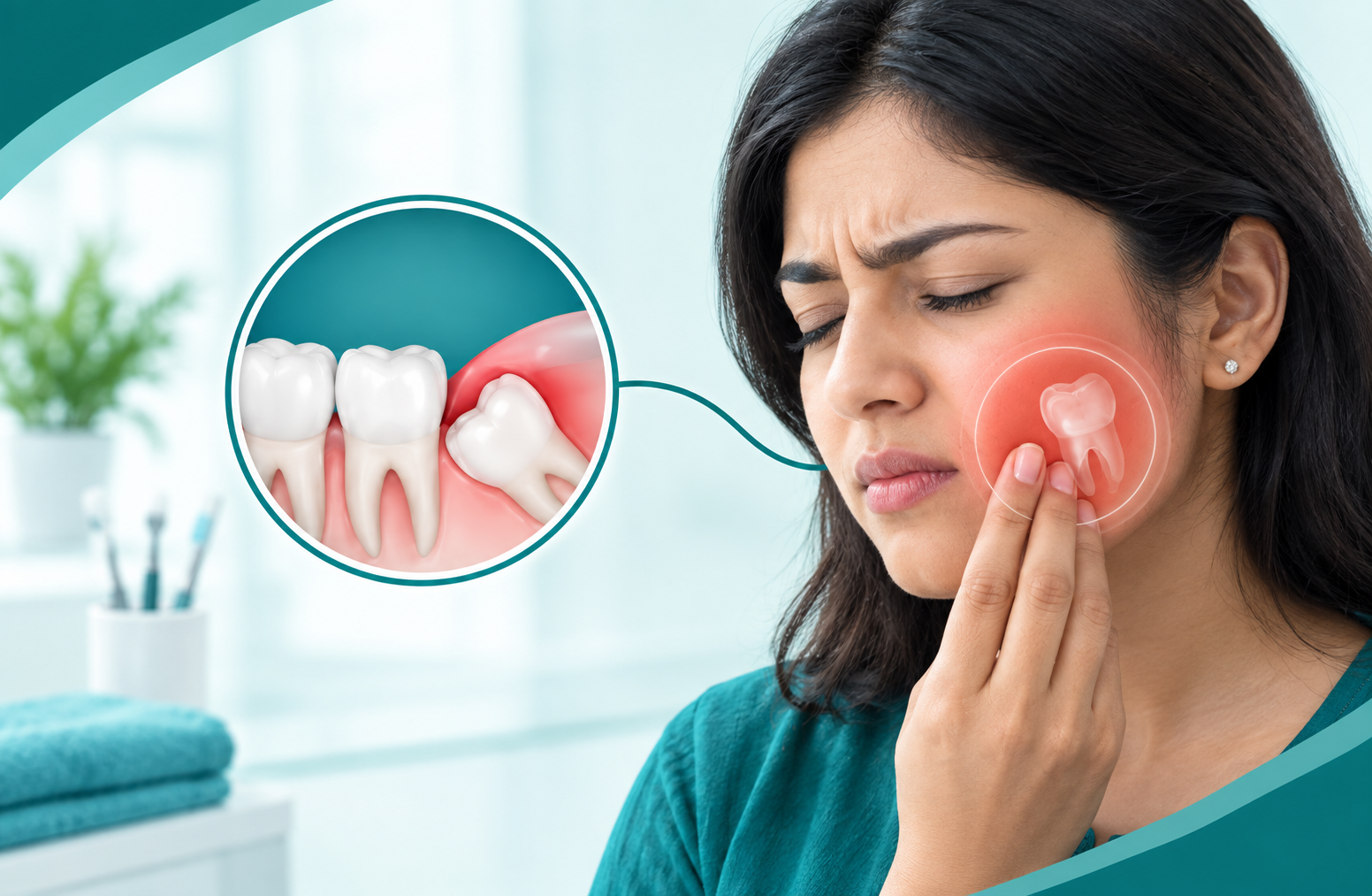
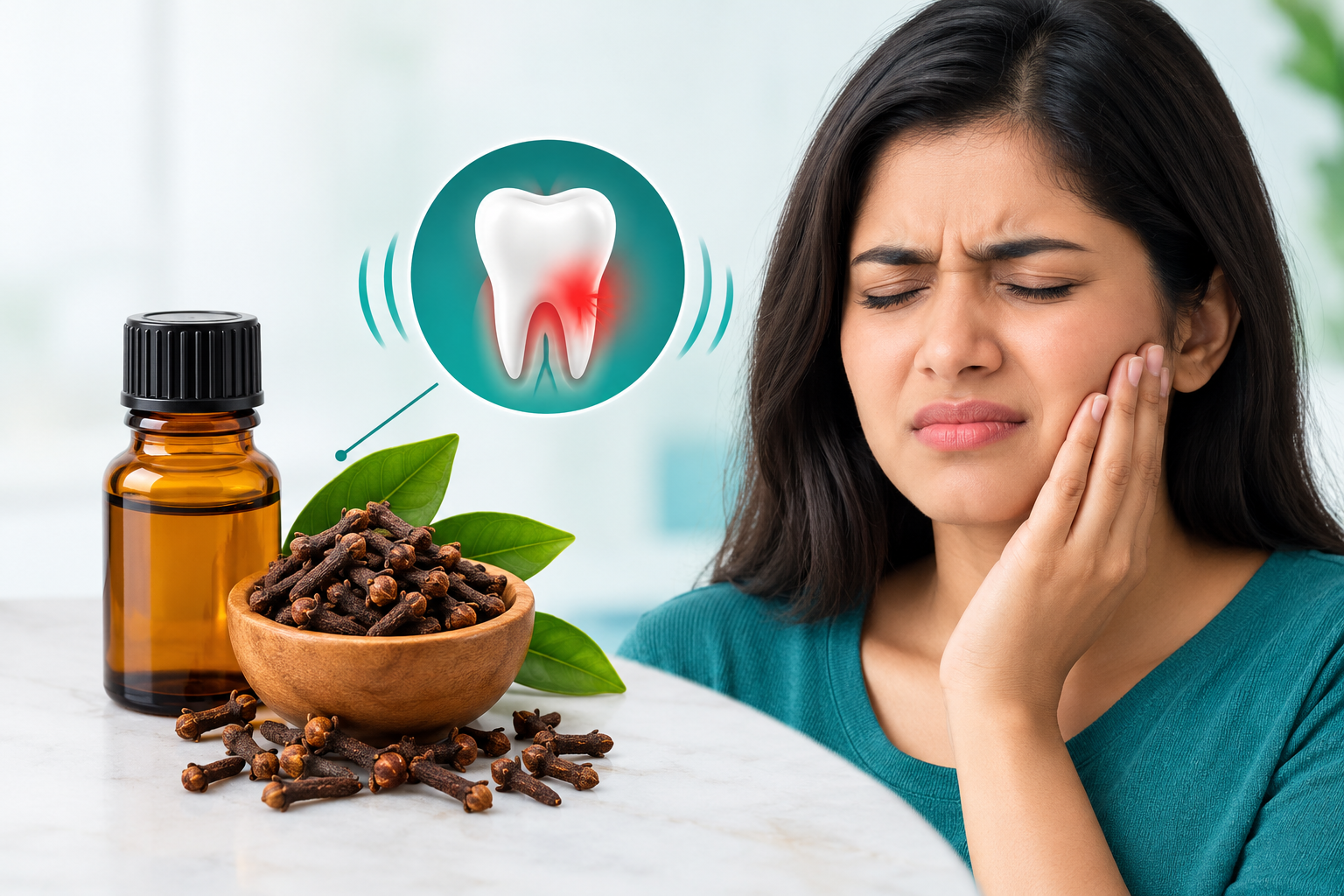

A toothache can make it hard to eat, drink, or sleep. When you feel pain, people often look for a quick fix they can try until they see a dentist. Clove oil is one such remedy because it has a substance called eugenol, which can numb pain. But just because it eases discomfort doesn’t mean it fixes the problem. Clove Oil for Teeth might help with pain in some cases, but it can’t reliably cure a cavity, a broken tooth, or a dental infection. This guide explains how it works, the risks to consider, and when you should see a dentist.
Clove oil may offer temporary relief from toothache due to its eugenol content, but it cannot cure dental infections.
What Makes Clove Oil Effective for Tooth Pain?
Clove oil comes from the buds of the clove plant and contains eugenol. This compound has been used in some dental products because it can help numb an area and has some anti-inflammatory effects. Eugenol for Tooth Pain is often talked about because of these properties, but how well it works depends on the product, its strength, and why you’re in pain.
A toothache can be caused by many things, such as tooth decay, a cracked tooth, swollen gums, or an exposed tooth root. Clove oil doesn’t fix these problems. Even if the pain goes away for a while, the real issue may still be there and could get worse. Don’t assume that the pain going away means the tooth is getting better.
Can Clove Oil for Teeth Cure a Toothache or Dental Infection?
Clove oil may help with pain for a short time, but it’s not a proven way to cure a dental infection. An infection happens when bacteria get into the inside of a tooth or around it. Signs of an infection can include constant throbbing pain, swelling, soreness, pus, a bad taste, or a fever.
Remember that Clove Oil for Toothache might only hide the pain and not treat the real problem. A dentist can look at your tooth, find out what’s wrong, and suggest the right treatment, like a filling, root canal, drainage, or tooth removal. Dental infections can spread, so it’s important to see a dentist right away instead of relying on home remedies.
How to Use Clove Oil Safely
Strong clove oil can burn your gums or other soft tissues in your mouth.
Don’t use it directly on a tooth or gum, and don’t swallow it. Different products have different strengths, so always follow the instructions on the label. Ask a dentist or pharmacist if a product is right for you. Stop using it if you feel burning, redness, swelling, or a rash.
If you’re looking for toothache pain relief, a dentist or pharmacist can help you find safer, short-term options based on your age, health, and any other medicines you take.
Take special care if you are a child, pregnant or breastfeeding, or have an allergy, a bleeding problem, or take medicine that affects blood clotting. Keep clove oil out of reach of children.
Is Clove Oil Better Than Other Pain Relief Options?
Clove oil is sometimes called a dental pain killer, but it shouldn’t be used instead of proper pain relief or dental care. Depending on your medical history, a pharmacist or dentist can recommend a safe over-the-counter pain medicine and tell you how to use it. Not everyone can take the same medicine, so always check with a professional if you have other health issues or take regular medication.
Putting a cold cloth on your cheek might help reduce swelling while you arrange for proper care. Don’t put aspirin or strong oils directly on your gums, as they can hurt your mouth. Home remedies can help manage symptoms in the short term, but they can’t fix decay or get rid of an infection.
Risks and Side Effects of Clove Oil
Natural products can still cause problems, especially if they are very strong. Clove oil may cause mouth irritation, chemical burns, allergic reactions, or nausea if you swallow it. Large amounts can be harmful and might affect your liver or blood clotting. The risk is especially high for children, who can be seriously harmed by even small amounts of some essential oils.
Although Eugenol for Tooth Pain is used in some dental products when used properly, that doesn’t mean all homemade mixtures are safe. Don’t mix clove oil with other treatments or apply it often to sore areas without talking to a dentist. If someone swallows a lot of it, or a child does, call local poison control or get medical help right away.
When Should You See a Dentist?
Make an appointment if you have ongoing, repeated, or severe tooth pain, pain when chewing, a broken tooth, swollen gums, or a bad taste in your mouth.
If you think you have an infection, even if the pain goes away for a while, you should see a dentist quickly. Toothache pain relief is important, but finding and treating the cause is even more important to stop more damage from happening.
Swelling in the face or jaw, fever, or pus may need urgent care. If the swelling moves toward the neck or eye, or if you have trouble breathing or swallowing, go to the emergency room right away. Don’t wait for home remedies to work when these warning signs show up.
If you are experiencing tooth pain or other dental problems, visit Dantam Dental Clinics in Hyderabad, for a dental evaluation and appropriate treatment. Early diagnosis can help identify the cause of your discomfort and determine the right treatment for your needs.
How Dentists Treat Toothache and Dental Infections
Treatment depends on what the dentist finds during the exam.
A small cavity may need a filling, while an infection or damage inside the tooth may require a root canal. In some cases, a tooth can’t be saved, and extraction may be needed. Gum problems need their own checkup and treatment. Your dentist might use an X-ray to better understand the issue.
Antibiotics aren’t always needed for a toothache and shouldn’t be used instead of treating the affected tooth.
A dentist will decide if they’re needed based on the signs of infection and your overall health. Getting help early can help you avoid more problems and make treatment easier.
Frequently Asked Questions
Can Clove Oil for Teeth Cure a Dental Infection?
No. It might ease the pain a little, but it can’t really treat the infection itself. A dentist has to find the cause and give proper treatment.
How Does Eugenol for Tooth Pain Work?
Eugenol may have a slight numbing effect and can reduce discomfort for a short time. However, it doesn’t fix decay or get rid of an infection.
Is Clove Oil for Toothache Safe to Use Every Day?
Using it often without a dentist’s advice is not safe. The concentrated oil can irritate or burn mouth tissues, and swallowing it can be dangerous. Clove Oil for Toothache should not be used as a substitute for professional dental advice.
Can I Use Clove Oil as a Dental Pain Killer?
It shouldn’t be used instead of professional advice or proper pain medicine. A dental pain killer should be chosen after talking to a dentist or pharmacist, especially if you have other health issues. Ask which option is best for your situation. A dental pain killer is not a replacement for treating the cause of tooth pain.
What Is the Best Way to Get Toothache Pain Relief?
The best way is to find out and treat the cause. Make a dental appointment and get urgent care for swelling, fever, or worsening symptoms.