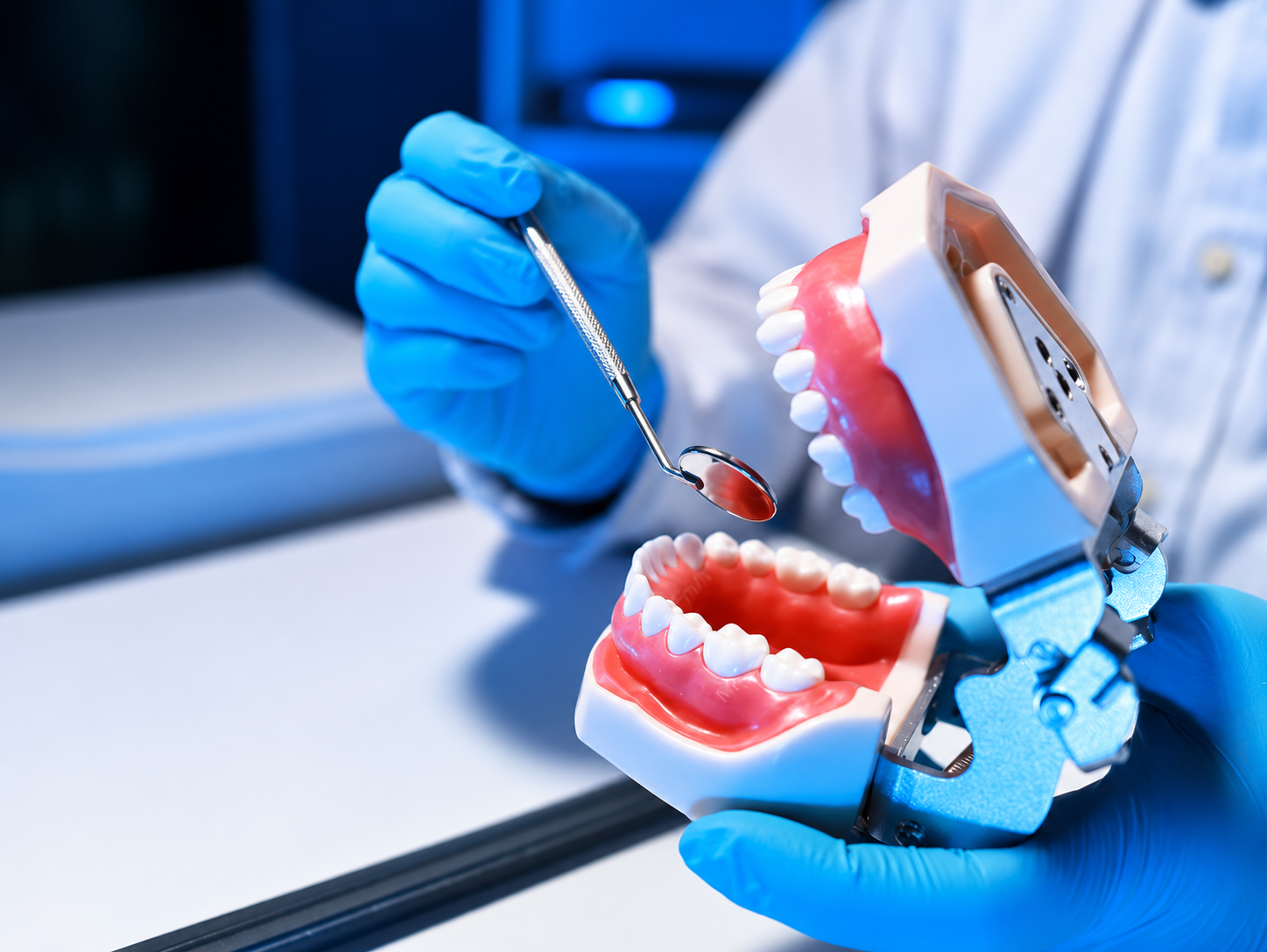
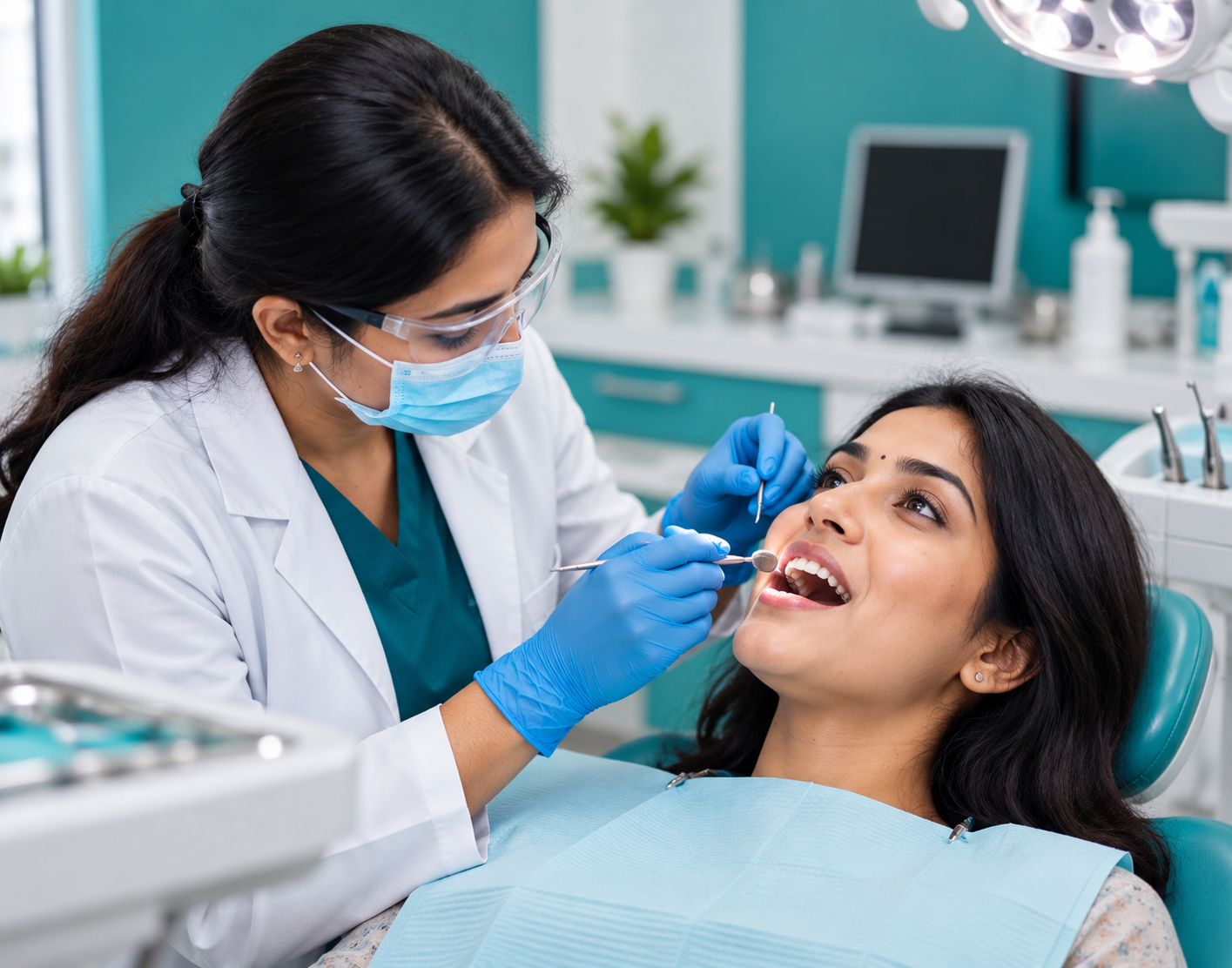

Regular and preventive dental care typically involves examinations, cleaning, proper oral hygiene, and prompt treatment of detected problems. Preventive measures help maintain healthy teeth and address multiple issues before they become serious.
Preventive dental care focuses on protecting your teeth and gums through regular checkups, professional cleanings, proper brushing and flossing and early detection of oral health concerns. Consistent care can help prevent cavities, gum disease and other dental problems while supporting a healthy smile.
What Is Preventive Dental Care?
Preventive oral care involves routine oral hygiene and professional dental services aimed at preserving healthy teeth and gums while lowering the likelihood of cavities, gum disease, and related oral health issues. It involves both professional interventions and self care practices.
Oral health maintenance routines include:
- regular dental checkups;
- professional cleaning;
- fluoride treatment;
- proper brushing and flossing;
- monitoring gum condition;
- addressing potential issues.
A proactive approach to oral care can help preserve the condition of your teeth and gums over time.
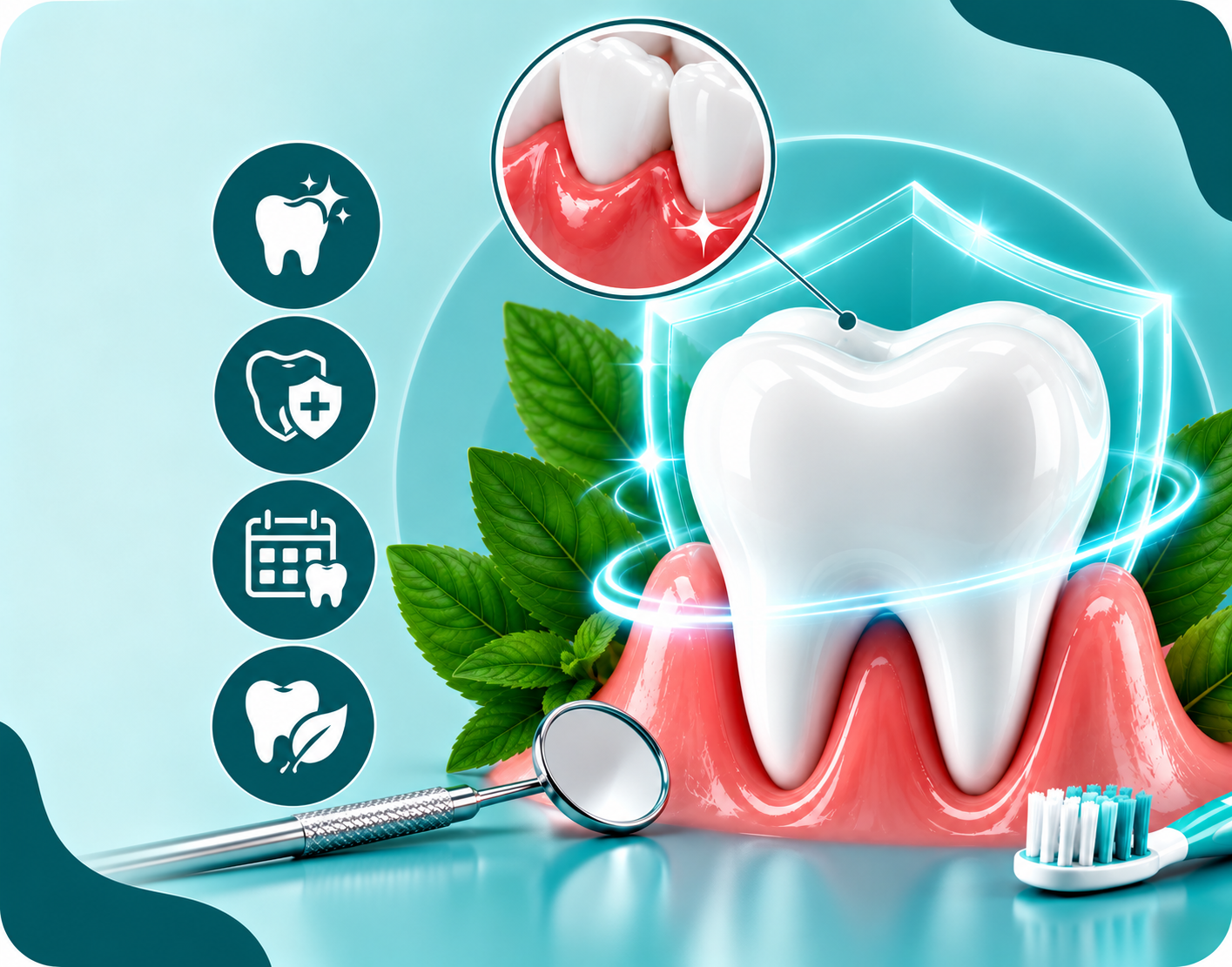
Preventive Dental Checkup: Why It Is Important?
- Tooth decay
- Plaque and tartar buildup
- Gum inflammation
- Enamel wear
- Tooth sensitivity
- Changes in existing dental restorations
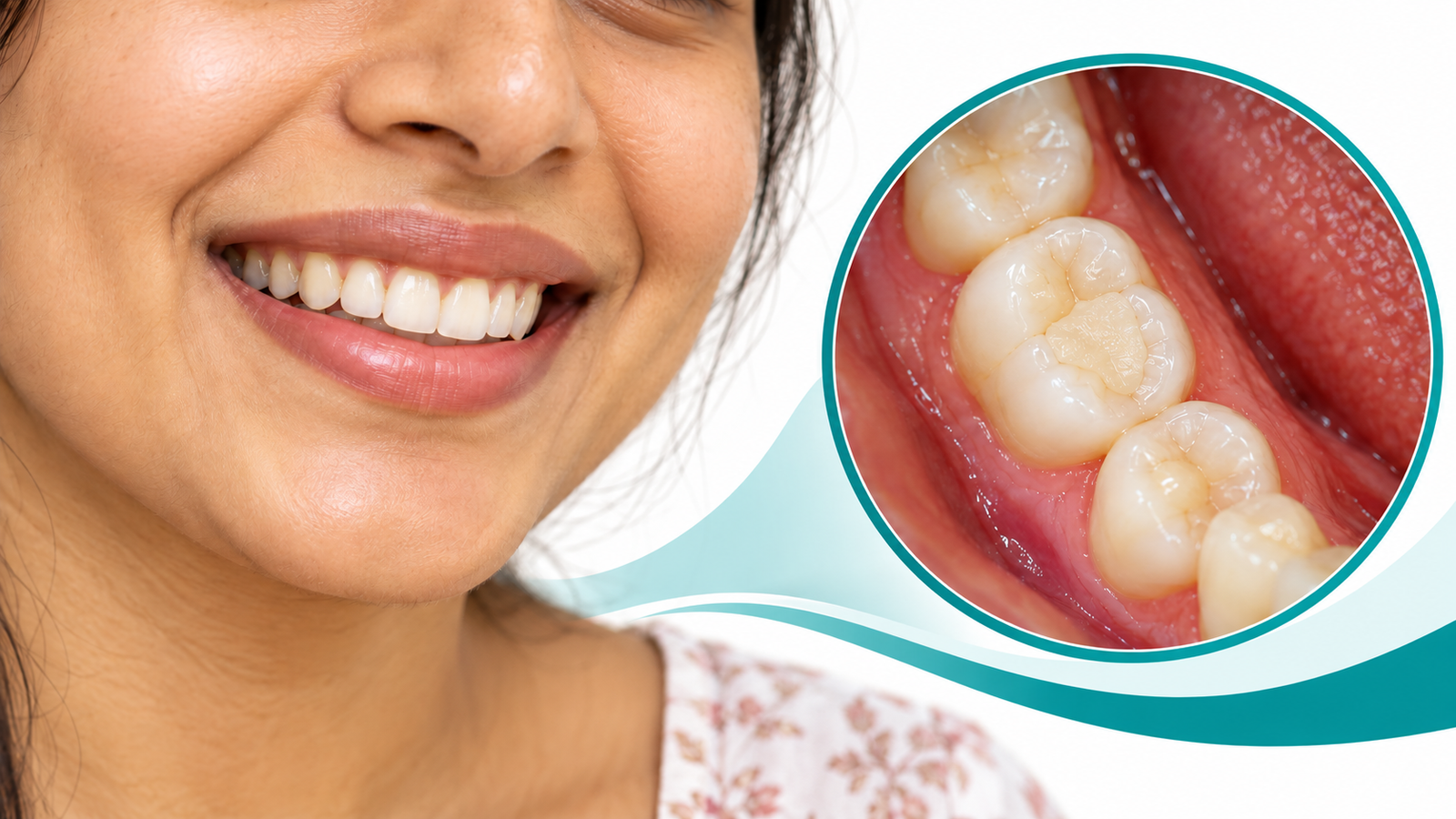
Understanding Plaque on Inner Teeth
- Brushing all tooth surfaces carefully
- Using fluoride toothpaste
- Cleaning between teeth
- Paying attention to the inner surfaces
- Scheduling professional cleanings
What Is Preventive Periodontics?
- Gum color and condition
- Bleeding or swelling
- Plaque and tartar levels
- Gum pockets
- Signs of gum recession
- Overall periodontal health
The Role of Preventive Fillings
Teeth with a higher susceptibility to decay may benefit from additional preventive care recommended by a dentist. Preventive fillings teeth may refer to preventive restorations or sealant based approaches used to protect susceptible tooth surfaces.
The choice of treatment may depend on the tooth’s structure, likelihood of decay, age, and specific oral care requirements.
The suitability of Preventive fillings teeth should be determined by a dental professional after examining the tooth and assessing its condition.
Daily Habits That Support Prevention
Maintaining good oral hygiene at home can work alongside regular care provided by your dental professional.
Brush Twice Daily
Brush your teeth two times a day using toothpaste that contains fluoride. Use gentle movements and make sure to clean the outer, inner, and chewing surfaces.
Clean Between Your Teeth
Using dental floss or a suitable interdental cleaner can clear plaque and trapped debris from spaces that toothbrush bristles cannot easily access.
Maintain a Balanced Diet
Reducing the intake of sugary foods and beverages between meals may help lower the chances of developing tooth decay.
Drink Water
Drinking water may help clear residual food from the mouth and maintain healthy saliva flow.
Replace Your Toothbrush
Replace your toothbrush when the bristles become worn or according to your dentist’s recommendation.
How Preventive Care Protects Your Gums
Healthy gums contribute to overall oral well being. When plaque remains near the gumline, it may irritate the surrounding tissue and lead to signs such as puffiness, discomfort, or bleeding.
A Routine Oral Checkup gives the dentist an opportunity to assess gum health and notice changes that may require attention. Professional cleaning can help eliminate stubborn deposits that daily brushing cannot fully remove.
For people with a history of gum concerns, preventive gum care can provide a structured approach to monitoring and maintaining periodontal health.
Benefits of Routine Oral Care
- Identify dental concerns early
- Reduce plaque and tartar buildup
- Support healthy gums
- Protect vulnerable teeth
- Maintain existing dental restorations
- Encourage better oral hygiene habits
- Support long term oral health
How Preventive Care Protects Your Teeth
Early dental care can reveal developing problems while they are still limited in scope. Routine assessments may also reveal changes involving the enamel, cavities, tooth sensitivity, or previously placed restorations.
When appropriate, Preventive fillings teeth may be considered to protect vulnerable areas from further damage.
Good home care is equally important. Paying attention to plaque buildup along the inner tooth surfaces can help keep teeth cleaner between professional dental visits.
How Frequently Should You Schedule a Dental Checkup?
The timing of dental visits may differ according to factors such as age, previous dental experiences, current oral condition, and personal risk of dental problems.Your dentist can suggest an appointment plan that suits your individual oral health needs. At each Routine Dental Checkup, the teeth and gums can be reviewed for any noticeable changes, with further care suggested when appropriate. Individuals who are more prone to cavities or gum concerns may need appointments at shorter intervals.
When Should You Visit a Dentist?
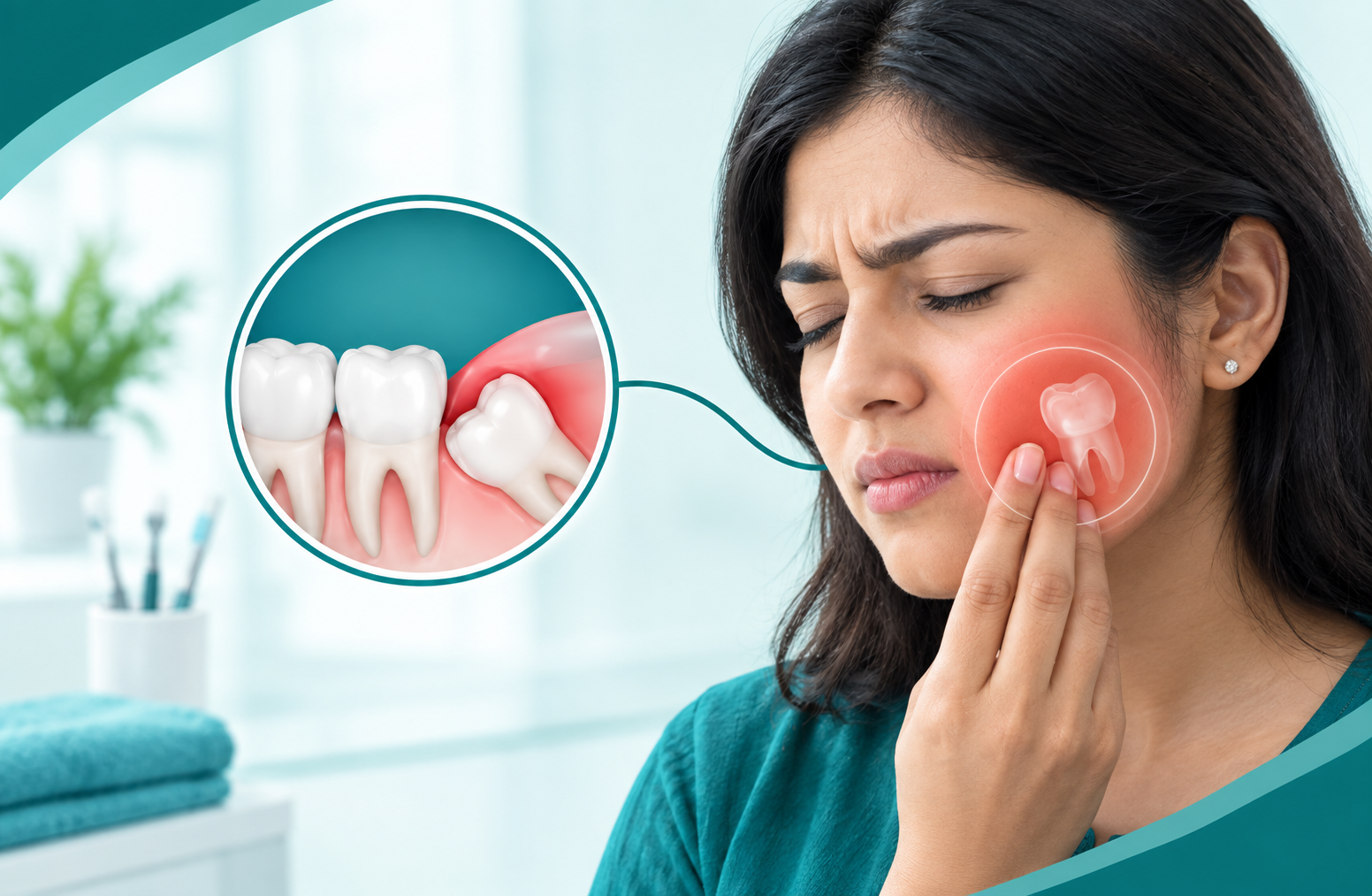
Consider arranging a dental visit if you notice ongoing tooth discomfort, gum bleeding, facial or gum swelling, increased sensitivity, persistent mouth odor, tooth looseness, or unusual changes inside the mouth.
When plaque accumulation on the inner tooth surfaces persists despite regular brushing, a dental professional can assess the area and determine whether professional cleaning may be appropriate.
Frequently Asked Questions
What does preventive dental care include?
Preventive oral care includes routine dental examinations, professional cleaning, proper home hygiene, fluoride treatments when appropriate, and other measures designed to maintain healthy teeth and gums.
How can I remove plaque on inner teeth?
Plaque on inner teeth can be managed by carefully brushing all tooth surfaces and cleaning between the teeth. Professional cleaning may be needed if plaque has hardened into tartar.
What is preventive periodontics?
Preventive periodontics focuses on maintaining healthy gums and supporting tissues through regular examinations, professional cleaning, and appropriate home care practices.
Are preventive fillings teeth suitable for everyone?
Preventive fillings teeth are not appropriate for every patient. A dentist should evaluate the tooth, decay risk, and individual oral condition before recommending a preventive restoration or sealant.
How often should I have a dental regular check up?
The frequency of a Dental regular check up depends on your individual dental needs and risk factors. Your dentist can recommend a suitable examination schedule.