
You were sure that your tooth was going to start feeling better, yet your first sip of cold water triggers a twinge or your meal becomes uncomfortable to chew. Does this mean that something has gone wrong?
Not necessarily. Some mild sensitivity can arise after a composite teeth filling, but the nature of the discomfort and whether it is improving determine whether there is a problem. An uneven bite, irritation of the interior of the tooth, or a different cause may need a dentist’s intervention.
Knowing the difference can help you describe the situation accurately and determine if and when you should return for a review. You do not have to identify the cause yourself before seeking assistance.
A filling repairs your tooth, but lingering pain deserves a closer look.
Is Tooth Pain After Fillings Normal?
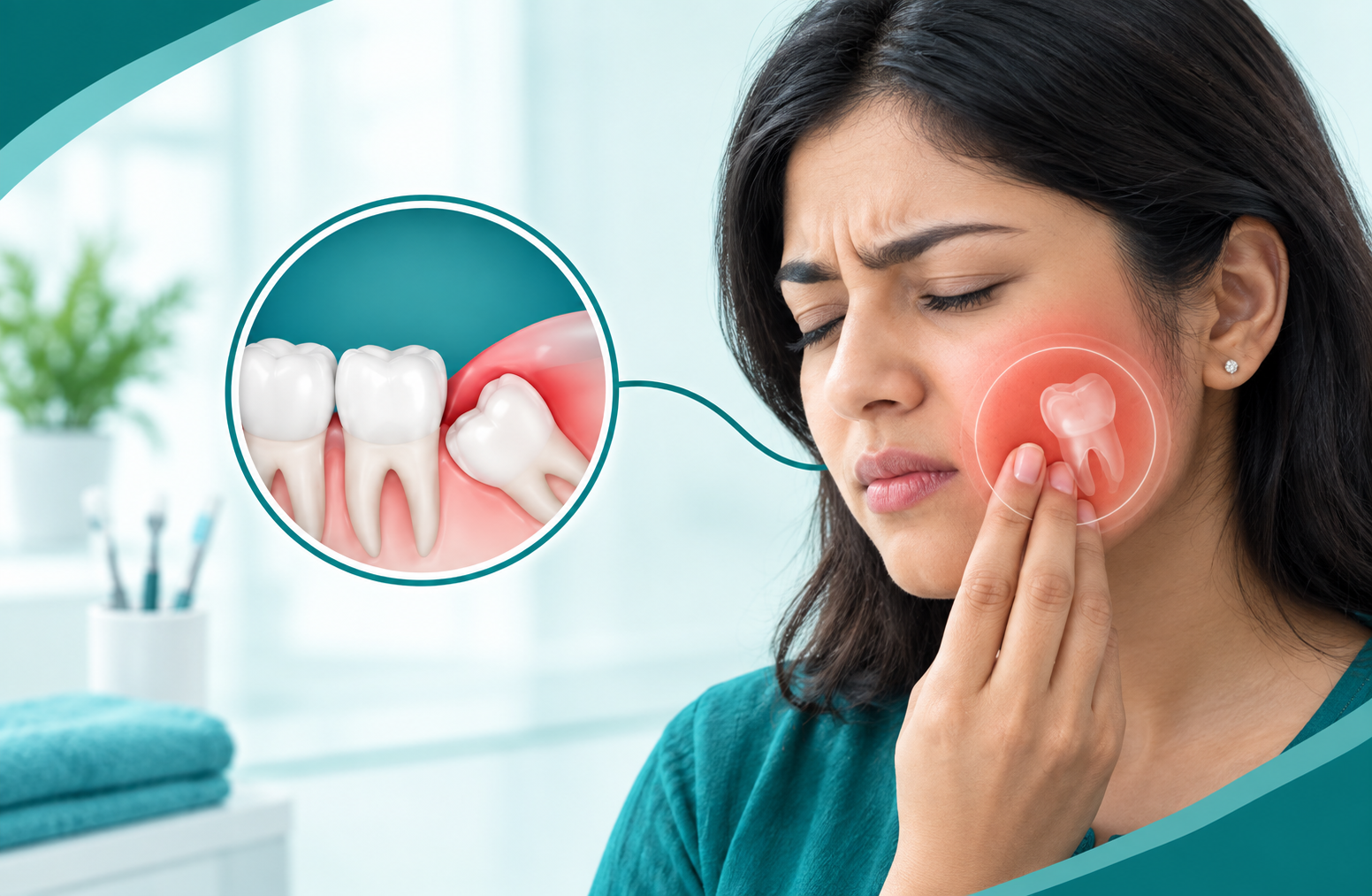
Some sensitivity or gum soreness can arise after treatment. Minor discomfort often disappears in one to two weeks. However, this is not a waiting period for severe pain or worsening symptoms.
Pay attention to how discomfort changes after fillings: a brief twinge that fades is different from pain that interrupts meals or wakes you from sleep. If the treated tooth feels unusually high when you bite down, contact your dentist rather than waiting for it to wear down.
What Causes Pain After a Composite Teeth Filling?
There are several conditions capable of producing similar symptoms. While the timing of the discomfort provides a useful lead, an examination by a dentist is necessary to identify the cause.
Temporary Irritation Inside the Tooth
The centre of the tooth has soft tissue with nerves and blood vessels known as the pulp. Recent dental work can temporarily irritate the tissue, causing sensitivity to temperature.
A cold drink may trigger a quick sensation that disappears once the drink is over. Tell the dentist if the responsiveness is growing, occurring without a trigger or ceasing to improve.
A Filling That Feels Too High
A restoration that irritates the chew muscles can lead to pain on chewing. You may find that this tooth seems to touch before the others.
Your dentist can check the contact points and reshape the surface as necessary. Avoid repeatedly biting to test it, and never attempt to file or adjust the restoration yourself.
Inflammation That Needs Further Treatment
Sometimes the pulp is too inflamed to recover with a restoration alone. Lingering pain after hot or cold foods, spontaneous aching, or worsening discomfort may require further investigation.
Dentists make a distinction between inflammation capable of recovery and inflammation that cannot. The treatment depends on the assessment persistent symptoms do not always indicate that the initial procedure was performed incorrectly.
A Crack or Damaged Restoration
A cracked tooth can cause pain when chewing or sensitivity to temperature. The symptoms may come and go, making the problem difficult to pinpoint at home.
The location and depth of a crack influence treatment: a superficial defect and a deeper fracture do not have the same outcome. Mention any history of biting something hard or clenching during your appointment.
What Can Different Pain Patterns Tell You?
| Pain pattern | Possible explanation | What to do |
|---|---|---|
| 01 Brief temperature sensitivity after treatment | Possible explanation Temporary pulp irritation | What to do Follow aftercare advice and report persistent symptoms |
| 02 Sharp pain when chewing | Possible explanation A loose restoration, decay, or a crack | What to do Arrange an examination |
| 03 Pain that lingers after hot or cold food | Possible explanation Possible damage to the pulp | What to do Contact your dentist promptly |
| 04 Constant pain with swelling | Possible explanation Possible infection | What to do Seek urgent dental care |
The patterns overlap, so this table cannot give a diagnosis. Also mention whether the discomfort began right after treatment or after a period of comfort.
Does the Filling Material Affect Sensitivity?
Tooth coloured composite resin and Dental amalgam are different restorative materials. Composite uses a resin based mixture whereas dental amalgam includes a mix of metals, including mercury.
The name of the material cannot explain why a tooth hurts: the tooth and restoration need an assessment before considering what to change.
An existing metal restoration does not automatically need removal: the FDA does not recommend removal of intact amalgam restorations without an appropriate medical reason, as doing so sacrifices healthy tooth structure and temporarily increases mercury exposure. Discuss suitability or material related concerns with your dentist.
Can Teeth Gap Filling Cause Discomfort?
Cosmetic bonding can close small spaces, by adding tooth coloured resin. Although similar material may be used for cavity treatment, the purpose and procedure are different.
After bonding, contact your dentist if the bite feels unusual or if an edge is sharp. Some people experience temporary sensitivity, but ongoing discomfort should be assessed.
Teeth gap filling also requires realistic treatment planning: ask how the proposed change will affect tooth shape, cleaning between the teeth, and your bite. Cosmetic appearance is only one part of determining whether bonding is suitable.
How Does a Dentist Find the Cause?
Your dentist will ask about the triggers and duration and whether there have been any changes since treatment. Be prepared to explain whether the tooth hurts while chewing, afterwards or without any obvious reason.
The examination may include looking for cracks and testing how the tooth responds to tapping or temperature. Dental X-rays may be necessary to assess decay and surrounding structures, though some cracks are not visible on an X-ray.
These findings guide treatment: a damaged tooth may need bonding, a crown or treatment involving the pulp, depending on the diagnosis. The decision is based on the condition of the tooth rather than pain levels alone.
When Is a Tooth Refill Needed?
Tooth refill is an informal phrase people use: they are actually asking about repairing or replacing an existing restoration. It does not describe a particular dental procedure.
If you are concerned about old fillings, explain what has changed: pain, a missing piece, or a different feeling when you bite. A loose restoration is one possibility, but decay and cracks can have similar effects.
Before agreeing to replacement, ask about the examination findings: consider whether the existing restoration can be repaired and whether there is damage to the tooth itself: would replacement address the identified cause?
How Can You Manage Discomfort While Waiting?
Keep the area clean with gentle brushing and avoid scrubbing a sensitive tooth. A soft bristled toothbrush and a toothpaste intended for sensitivity could help calm some causes of discomfort; your dentist can advise whether these are appropriate.When waiting for an appointment:
- Choose softer foods if chewing is uncomfortable.
- Avoid very hot, cold, or sweet items that trigger pain.
- Ask a pharmacist about suitable pain relief and follow the instructions.
- Follow the aftercare guidance given by your treating dentist.
These measures offer temporary support: pain relief does not identify the cause, and you should still attend the appointment if symptoms have required a review.
Why Choose Dantam for Tooth Pain After a Filling?
- Careful assessment: Your dentist checks the filling, bite and surrounding tooth to identify possible causes of discomfort.
- Clear explanations: Understand the findings and available treatment options before deciding on the next step.
- Personalised care: Treatment recommendations are based on your symptoms and dental needs.
- Aftercare guidance: Receive advice on caring for the treated tooth and when to return for a review.
Frequently Asked Questions
How Long Should Sensitivity Last After a Composite Teeth Filling?
Mild sensitivity often improves within one to two weeks, but the situation varies by person. Contact your dentist sooner if the pain grows worse, becomes severe, or your bite feels uneven. How the condition progresses is as important as the number of days.
Why Do Fillings Hurt Only When I Bite Down?
An uneven bite is one possibility. A crack, decay, or a loose restoration may also cause chewing pain. Tell the dentist whether one tooth seems to contact first and whether discomfort occurs on every bite.
Does Dental Amalgam Need Replacing if a Tooth Becomes Sensitive?
Sensitivity alone does not mean dental amalgam needs to be removed. Your dentist should first assess the tooth and restoration, as an intact filling should not be replaced simply because it contains amalgam.
Is Teeth Gap Filling the Same as Cavity Treatment?
Will a Tooth Refill Stop the Pain?
Only if repairing or replacing the restoration addresses the cause: ask the dentist to explain the diagnosis and the benefit before proceeding. A replacement should follow an assessment, rather than be treated as the default response to pain.