


Tooth extraction is not something most people look forward to, but in some situations, it becomes the safest and most effective way to protect your oral health. The goal is always to save your natural teeth through the latest restorative treatments. However, when a tooth is severely damaged, infected or causing complications-especially in the case of wisdom teeth-removing it may be the best choice. Understanding when extraction is necessary can help you make confident and informed decisions about your dental care.
Ignoring persistent tooth pain, swelling, or a broken tooth can lead to serious dental problems. Early evaluation allows your dentist to recommend the best treatment and determine if tooth extraction is necessary.
What Is a Tooth Extraction?

Warning Signs That a Tooth May Need Extraction
To achieve this, it would be necessary to have uniform grammar, pronunciation and more common words. If several languages coalesce, the grammar of the resulting language is more simple and regular than that of the individual languages. The new common language will be more simple.
- Persistent tooth pain that lasts for several days
- Swelling, redness, or pus near the tooth
- Difficulty chewing or biting due to discomfort
- Tooth feeling loose or overly sensitive to pressure
- Pain spreading to the jaw, ear, or side of the head
- The tooth is severely decayed and non-restorable
When Extraction Becomes the Best Solution
Warning Signs That a Tooth May Need Extraction
If the tooth is severely infected but can still be saved, root canal treatment removes the infection, relieves pain, and preserves your natural tooth. Early treatment helps prevent extraction and restores normal function.
When a tooth is weakened by decay, fractures, or large fillings, a custom dental crown strengthens and protects it. Crowns restore function and help prevent further damage that could otherwise lead to extraction.
Small cavities and minor tooth damage can often be repaired with tooth-colored fillings or restorations. Treating decay early preserves healthy tooth structure and reduces the need for more extensive procedures.
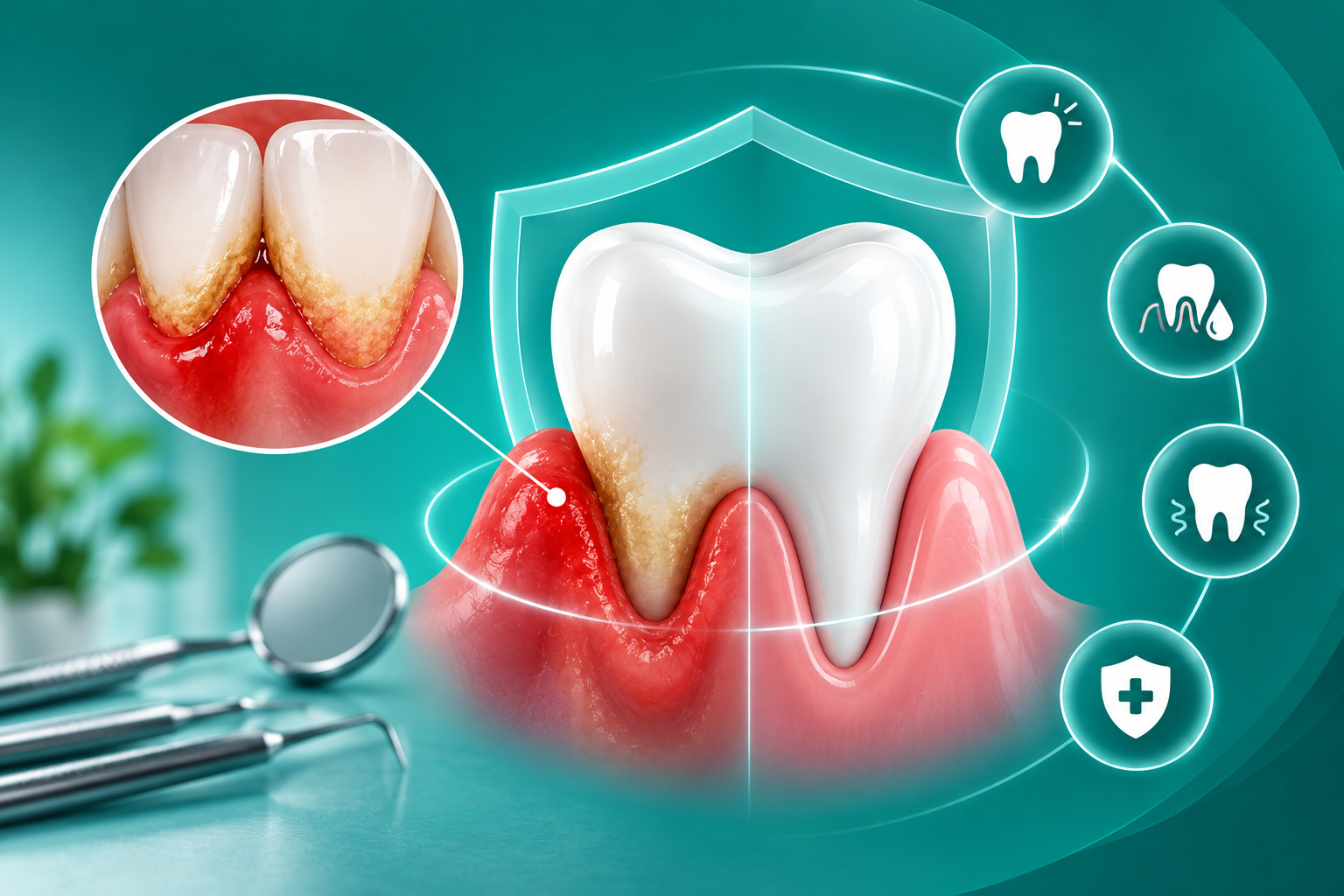
Advanced gum disease can loosen teeth and affect the supporting bone. Professional gum treatment controls infection, improves gum health, and helps preserve natural teeth by preventing further periodontal damage.
How Dentists Confirm Whether Extraction Is Needed
What Happens During the Extraction Procedure
Aftercare Tips for Smooth Recovery
Proper care after extraction plays a crucial role in ensuring quick, safe, and comfortable healing. Here are the key steps to follow:
- Stick to soft foods for the first 24–48 hours, such as soups, curd & smoothies etc.
- Avoid smoking, alcohol, and using a straw, as these actions can dislodge the blood clot and lead to complications like dry socket.
- Take all prescribed medications on time, including painkillers and antibiotics, to manage discomfort and prevent infection.
- Apply an ice pack on the outside of the cheek in the first few hours to reduce swelling and provide soothing relief.
- Keep your mouth clean, gently brushing the other teeth while avoiding the extraction site; do not rinse forcefully for the first 24 hours to protect the healing area.
- Follow the dentist’s instructions carefully, as personalized guidance helps ensure safe, trouble-free recovery and faster healing.
Conclusion
Tooth extraction is sometimes necessary to protect your overall dental health, especially when a tooth is too damaged or infected to save. At Dantam Clinics, our experts ensure comfortable, safe, and gentle care for every patient. With 8 branches across Kokapet, Gachibowli, Kondapur, Tellapur/ Nallagandla, Shapur, Chintal, Alavi Chintal and Alavi IDPL help is always close to you. Visit your nearest Dantam Clinic for the right guidance and treatment for your smile.













Comments
adamgordon
Thanks for sharing this post, it’s really helpful for me.
cmsmasters
Glad to be of service.
annabrown
This is awesome!!
cmsmasters
Thanks.