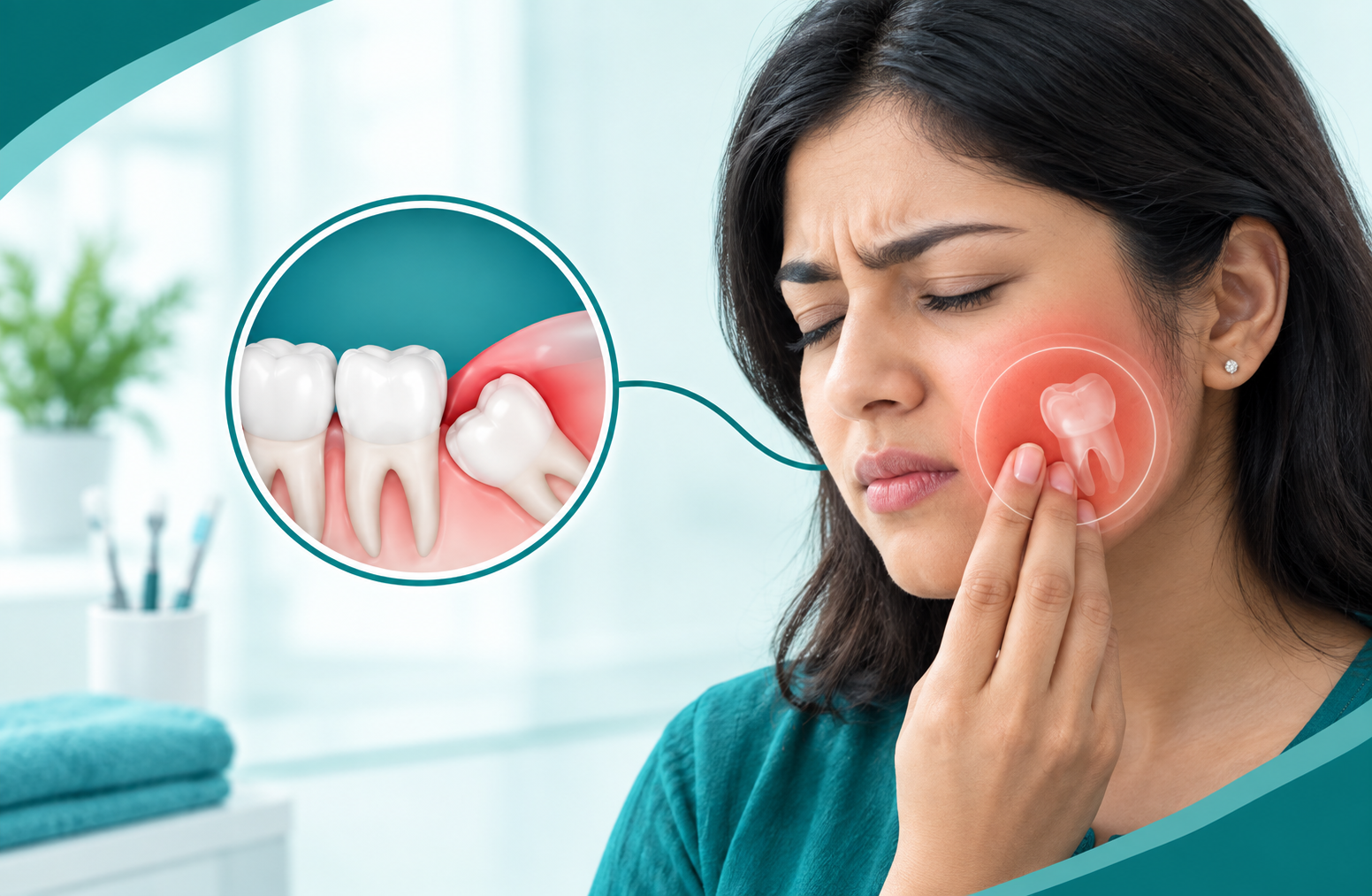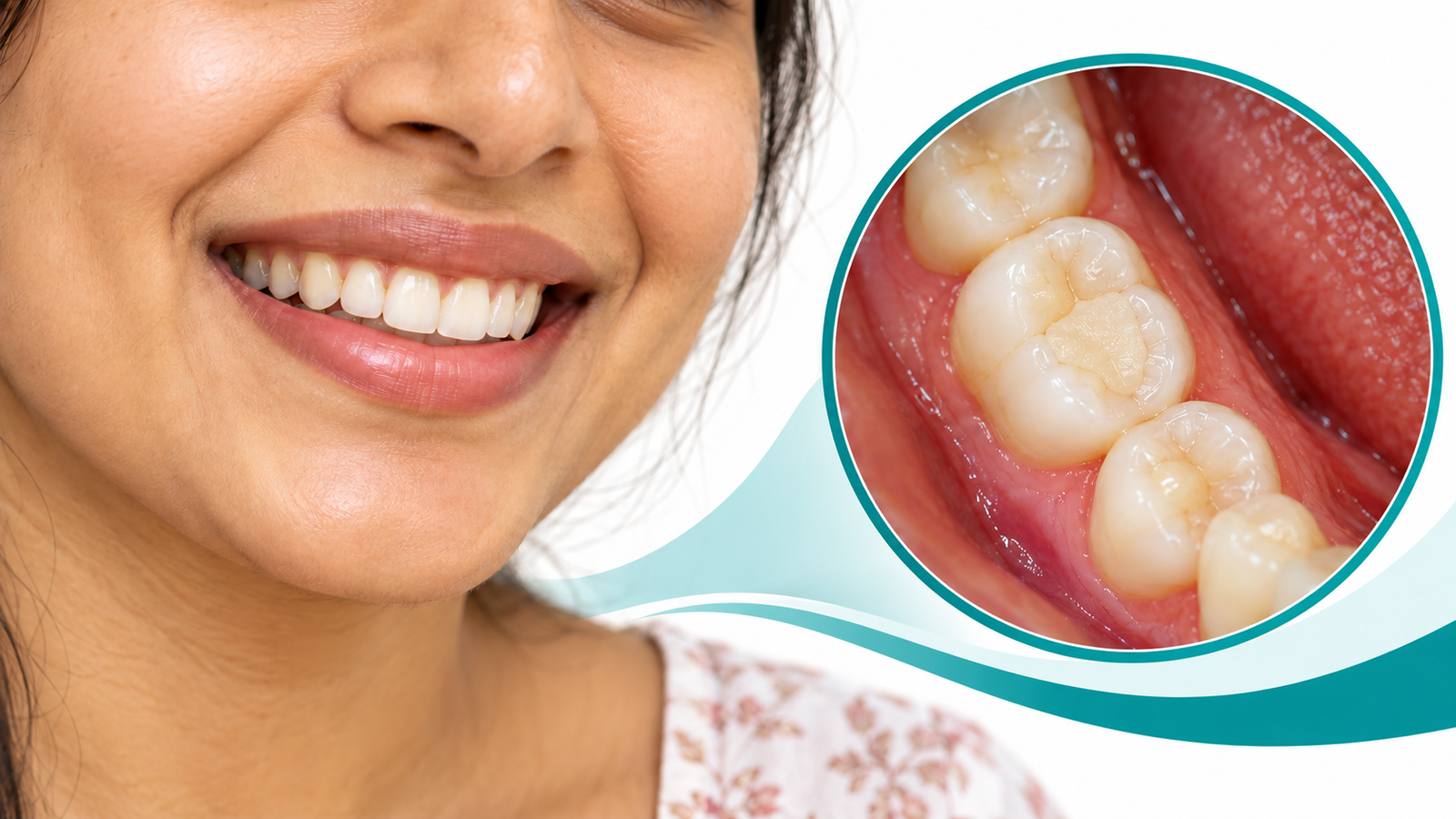

Knowing the warning signs, understanding common causes, and maintaining good oral hygiene can help you protect your teeth. If you notice unusual sensitivity, discoloration, or discomfort, a dental examination can help determine whether decay is responsible.
What Is Tooth Decay?
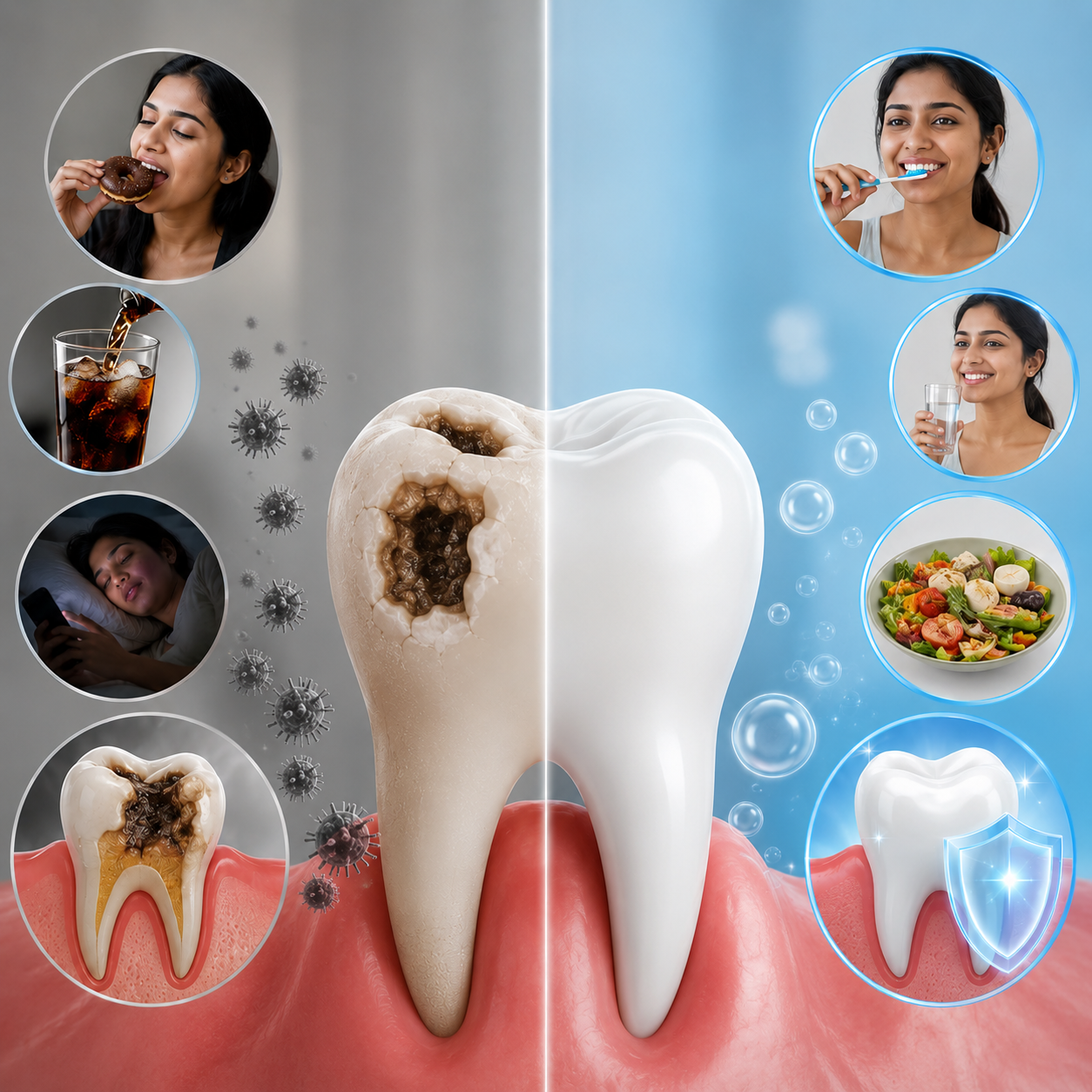
Tooth decay is a gradual process in which the hard structure of a tooth becomes damaged. It usually begins when bacteria in plaque interact with sugars and carbohydrates from food and drinks. This process produces acids that repeatedly attack the enamel.
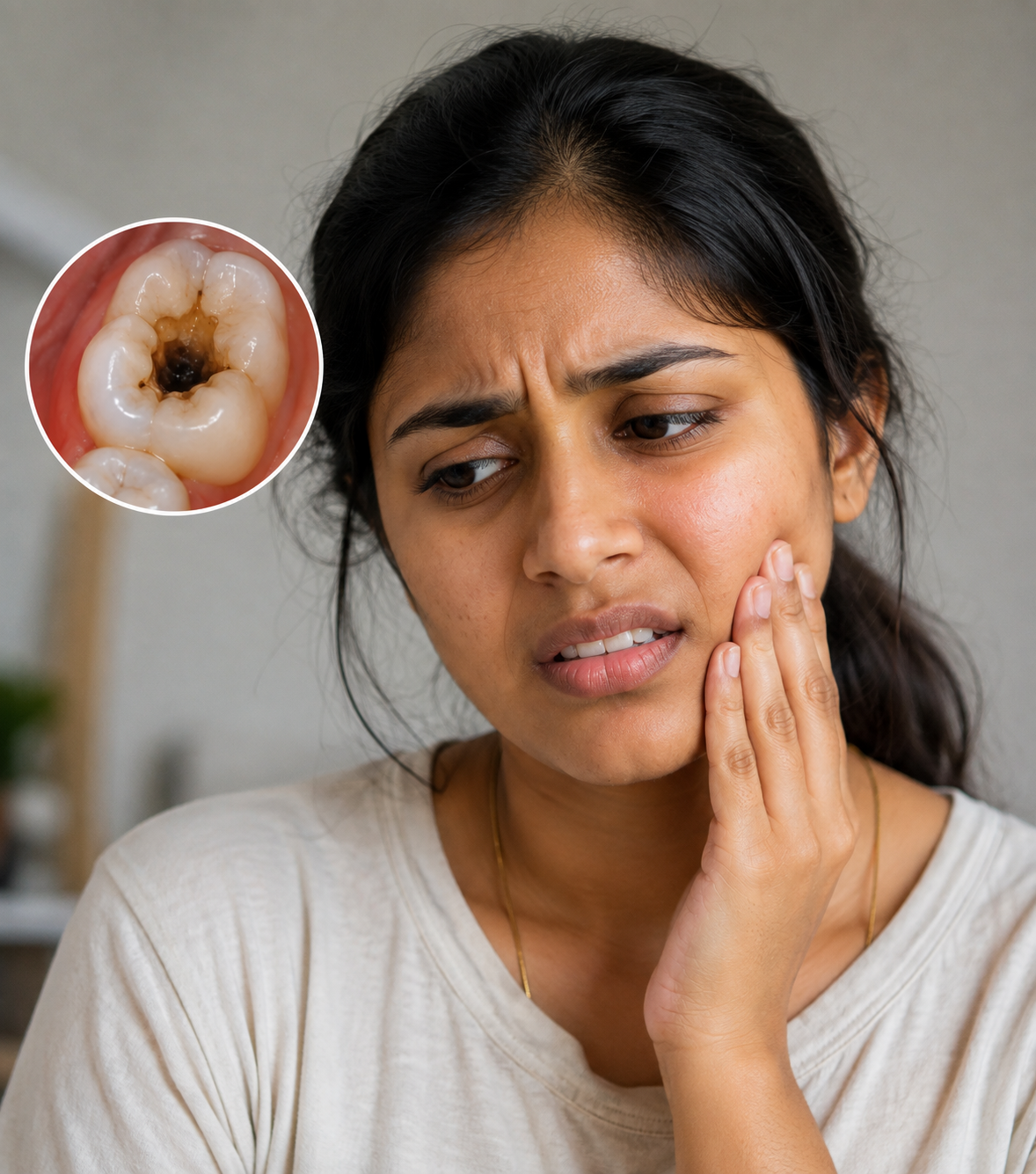
At first, the damage may appear as a small white or discolored spot. If the process continues, the enamel can break down and form a cavity. Eventually, decay can move deeper into the tooth and reach the dentin or pulp.
The earlier the problem is identified, the more options there may be for protecting the tooth.
What Are the Signs of Dental Decay?
- White, brown, or dark marks on a tooth
- Sensitivity to cold or hot foods and drinks
- Discomfort when eating sweets
- Pain when biting or chewing
- Food frequently getting trapped around one tooth
- A rough or uneven area on the tooth
- A visible pit or hole
- Persistent toothache
- Swelling around the affected tooth
What Causes a Dental Decay Problem?
You may wonder what causes a tooth decay problem even if you brush your teeth every day. In most cases, several factors can contribute to its development.
Frequent consumption of sugary foods and drinks gives bacteria more opportunities to produce acids. If plaque is not removed properly, these acids can remain around the teeth and gradually weaken the enamel.
Improper brushing can leave plaque and bacteria on the teeth. Over time, this buildup can damage the enamel and increase the risk of cavities.
Plaque and food particles can accumulate between teeth where a toothbrush may not reach. If not cleaned regularly, these areas can become more prone to tooth decay.
Frequent snacking gives harmful bacteria more opportunities to produce acids. Repeated acid attacks can weaken the enamel and increase the risk of cavities.
Sugary drinks provide food for harmful bacteria in the mouth. These bacteria produce acids that attack the enamel and can lead to tooth decay over time.
Can Dental Decay Develop Without Pain?
Yes. A cavity does not necessarily hurt when it first develops.
The enamel does not contain nerves, so early damage may not cause discomfort. As the decay moves deeper into the tooth, you may begin experiencing sensitivity or pain.
This is why waiting for a toothache is not a reliable way to determine whether your teeth are healthy. A small problem detected during a routine examination may be easier to manage than advanced decay that has already reached the inner part of the tooth.
How Is Dental Decay Treated?
The appropriate tooth decay treatment depends on how much of the tooth has been affected.
Very early enamel changes may sometimes be managed with preventive care and improved oral hygiene. If an actual cavity has developed, your dentist may recommend a filling. During this procedure, the damaged portion is removed and the space is restored with a suitable dental material.
When decay reaches the pulp and causes significant inflammation or infection, root canal treatment may be necessary. If a tooth is severely damaged and cannot be restored, extraction may be considered.
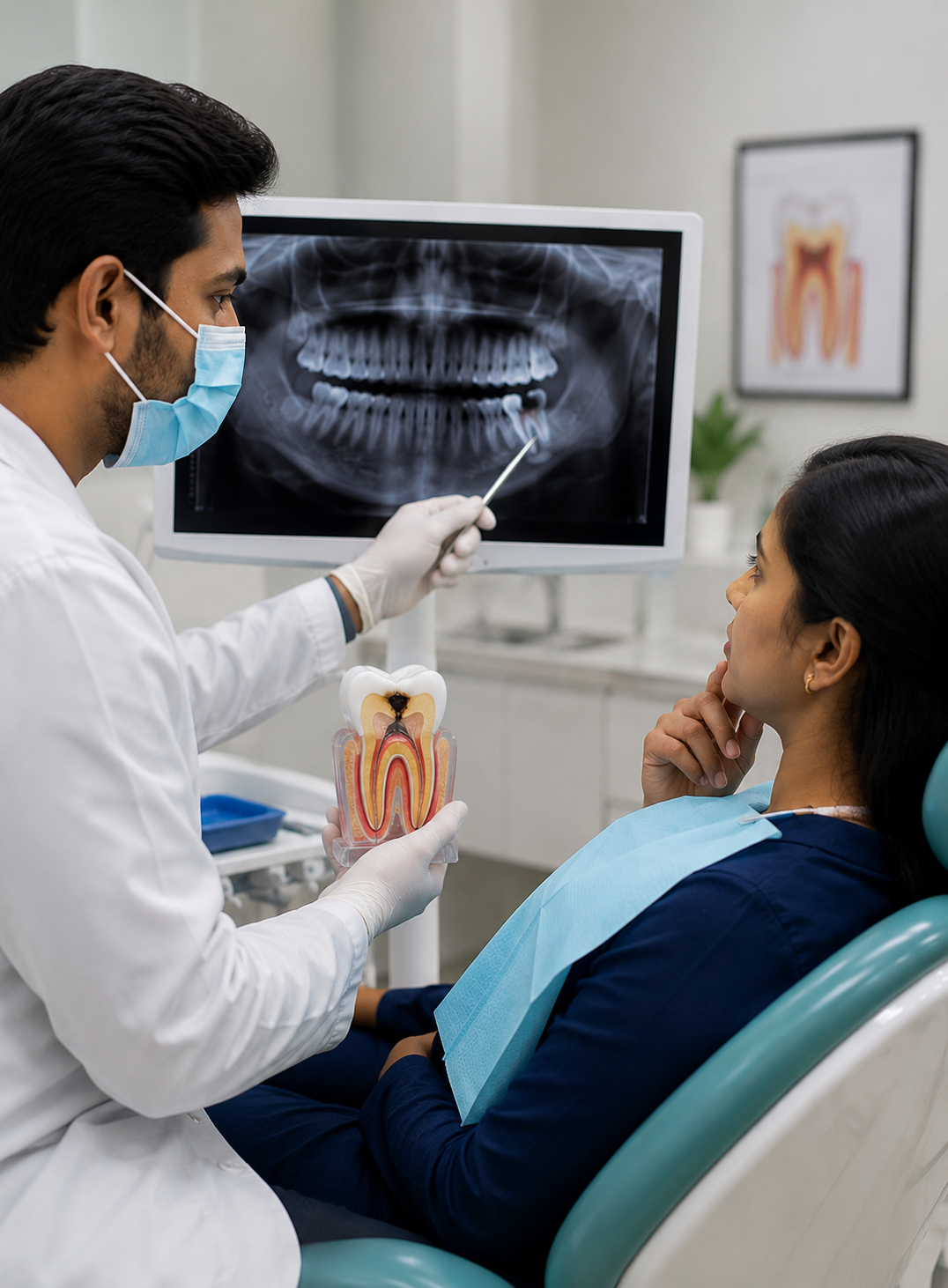
Choosing the right tooth decay treatment starts with an examination. A dental examination and, when required, an X-ray can help your dentist determine the extent of the problem and recommend the most suitable option.
How to Prevent Cavities
Understanding how to prevent cavities starts with small habits that you follow consistently.
Brush your teeth twice a day with fluoride toothpaste. Use a soft-bristled toothbrush and avoid applying excessive pressure. Make sure you clean along the gumline and reach the surfaces of all your teeth.
Cleaning between your teeth is equally important because a toothbrush cannot reach every area. Floss or use an interdental cleaning method recommended by your dentist.
Try to limit frequent sugary snacks and drinks. Instead of continuously sipping sweetened beverages throughout the day, choose water more often.
Knowing how to prevent cavities also includes regular dental visits, which can help detect early problems and keep your teeth professionally assessed.
Everyday Habits That Can Increase Your Risk
Your daily routine can have a significant effect on your risk of developing cavities.
Frequent snacking can expose your teeth to repeated acid attacks. Drinking sweetened beverages throughout the day can have a similar effect. Going to bed without brushing allows plaque and bacteria to remain on your teeth for hours.
Another common mistake is brushing too aggressively. Hard brushing does not necessarily remove more plaque and may contribute to gum irritation or enamel wear.
For anyone learning how to prevent cavities, a healthy routine is about consistent and effective cleaning, not excessive brushing.
When Should You Visit a Dentist?
Consider booking a dental appointment if you notice persistent sensitivity, tooth discoloration, pain when chewing, food repeatedly becoming stuck, a visible hole, or swelling.
You should not wait until the pain becomes severe. The signs of tooth decay can sometimes overlap with other dental concerns. Symptoms such as sensitivity or toothache can have several causes, including cavities, cracks, gum recession, or other dental problems.
Learning what causes a tooth decay problem may also help you make better daily choices. A professional examination can help identify the actual cause and determine whether treatment is necessary.
Frequently Asked Questions
What are the signs of tooth decay?
The signs of tooth decay can include tooth sensitivity, discoloration, food trapping, discomfort while chewing, visible holes, or persistent toothache. Some early cavities may not cause noticeable symptoms.
What causes a tooth decay problem?
Common factors related to what causes a tooth decay problem include plaque buildup, frequent sugar consumption, inadequate cleaning between teeth, dry mouth, and inconsistent dental care.
What is the most suitable tooth decay treatment?
How can I prevent cavities?
Can this problem happen without pain?
Yes. Tooth Decay can develop silently, especially during its early stages. Regular dental checkups can help identify problems before symptoms become noticeable.
Protect Your Natural Teeth
Taking care of your teeth is not just about dealing with pain when it appears. Paying attention to small changes and maintaining good daily habits can make a meaningful difference to your long-term oral health.
If you notice sensitivity, discoloration, food trapping, or any other unusual change, it is better to have it checked rather than wait for the problem to worsen. Early evaluation can help identify the cause and may allow your dentist to use a simpler approach to protect the affected tooth.
At Dantam Dental Clinics, patients can discuss their concerns with dental professionals and receive an examination based on their individual oral health needs. A timely dental checkup can help you stay ahead of cavities and maintain your natural smile for longer.