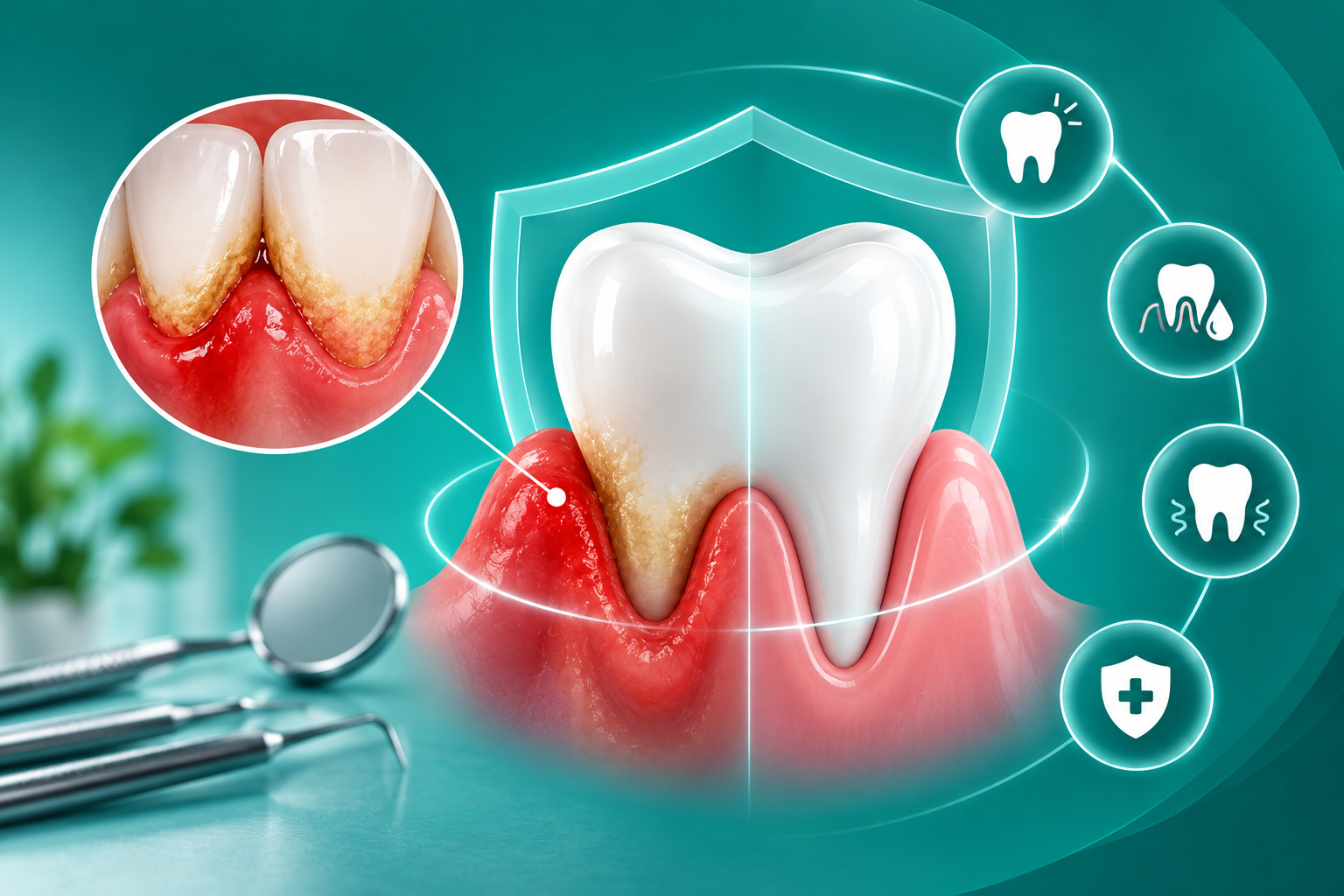

Gum Disease can affect the gums and supporting tissues around the teeth. It often develops when plaque and bacteria build up along the gumline. Recognizing early signs, maintaining proper oral hygiene and receiving regular dental care can help protect your gums and support healthier teeth. In advanced cases, gum surgery may be recommended to manage damaged gum tissues.
Understanding the early signs of gum disease and maintaining good oral hygiene can help protect your gums and overall oral health. Regular brushing, flossing, professional dental cleanings, and timely dental checkups can play an important role in preventing and managing gum problems.
What Is Gum Disease?
Gum conditions range from mild irritation to more advanced problems affecting the tissues that support the teeth. Early symptoms may include redness, swelling, tenderness or bleeding during brushing.
If these signs are ignored, gum issues may become more difficult to manage. Regular dental examinations can help identify changes in gum health and determine appropriate treatment.
Common Causes of Gum Problems
- Inadequate oral hygiene
- Smoking or tobacco use
- Excessive plaque and tartar
- Hormonal changes
- Certain medications
- Poor dietary habits
- Infrequent dental check ups
Understanding Gum Inflammation
Gum inflammation may cause redness, swelling, tenderness or bleeding. It commonly occurs when plaque accumulates around the gumline.
Brushing twice daily and cleaning between the teeth can help control plaque. Professional dental cleaning may also be recommended when tartar has developed.
Persistent gum irritation should be evaluated by a dentist to determine its cause and appropriate management.
Early Signs to Watch For
Recognizing changes in your gums can encourage timely dental attention.
Bleeding Gums
Frequent bleeding while brushing or flossing can indicate irritation and should not be routinely ignored.
Red or Swollen Gums
Changes in gum color, swelling or tenderness may require professional evaluation.
Persistent Bad Breath
Ongoing unpleasant breath can sometimes be associated with plaque buildup or other oral conditions.
Receding Gums
Gums that gradually pull away from the teeth can expose more of the tooth surface and may increase sensitivity.
Loose Teeth
Changes in tooth stability can indicate problems affecting the supporting structures and require dental assessment.
These symptoms may occur with other gum problems, making professional evaluation important.
What Is Gingivitis?
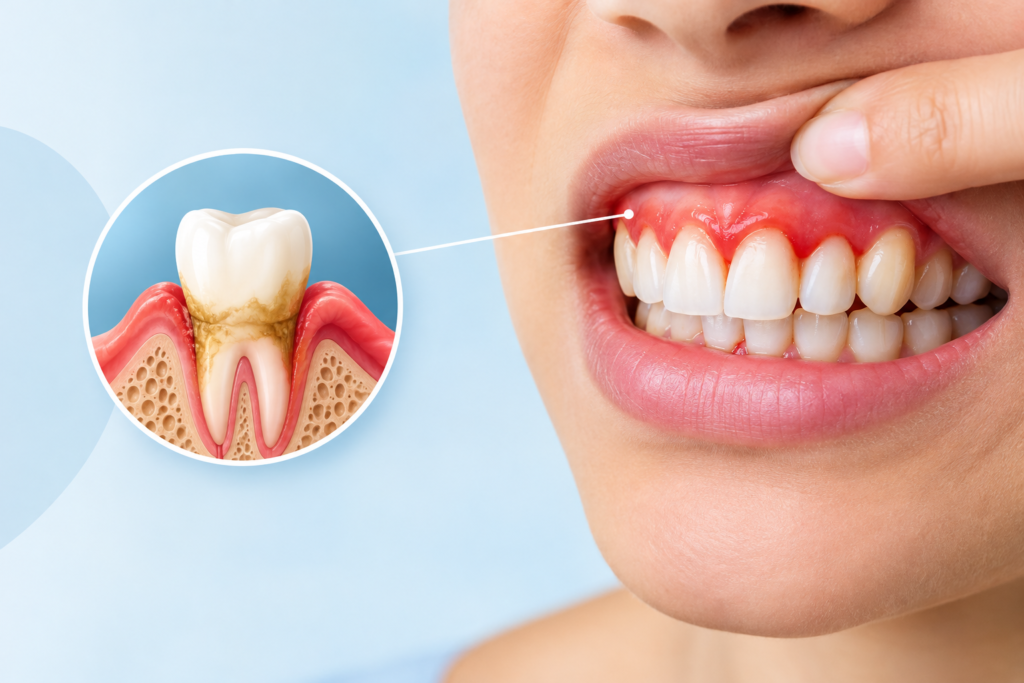
Gingivitis is an early form of gum irritation commonly associated with plaque accumulation. Typical signs include redness, swelling and bleeding around the gums.
Early intervention can help manage the condition and prevent progression. Depending on the individual’s needs, treatment of gingivitis may involve professional cleaning, improved home care and regular monitoring.
Gingivitis Treatment Options
Professional Cleaning
A dentist or dental hygienist can remove plaque and tartar that cannot be effectively removed through normal brushing.Improved Home Care
Brushing twice daily and cleaning between the teeth can help control plaque accumulation.Regular Monitoring
Follow up appointments allow dental professionals to assess gum health and determine whether additional care is required. Timely treatment of gingivitis can help support healthier gums and improve everyday oral hygiene.Importance of Gum for Teeth
Healthy gums provide support and protection for the teeth. Maintaining gum for teeth health requires regular cleaning, professional examinations and attention to early warning signs.
Daily brushing and interdental cleaning can help keep the gumline cleaner. Professional dental care can identify areas where additional attention may be needed.
Taking care of gum for teeth health is an important part of maintaining a stable and functional smile.
How to Protect Your Gums and Teeth
A consistent oral hygiene routine can help reduce the risk of gum related concerns.
Brush Twice a Day
Use a soft bristled toothbrush and fluoride toothpaste. Brush gently along the gumline and across all tooth surfaces.
Clean Between Your Teeth
Flossing or using an appropriate interdental cleaner can remove plaque and food particles from areas a toothbrush cannot reach effectively.
Schedule Regular Dental Visits
Professional examinations and cleanings can help detect changes early and remove hardened deposits.
Avoid Tobacco
Smoking and tobacco use can negatively affect gum health and make some oral conditions more difficult to manage.
Maintain Healthy Eating Habits
A balanced diet can provide nutrients that support healthy teeth and gums.
These habits can help reduce the likelihood of recurring gum issues.
Can Gum Conditions Affect Your Teeth?
The gums and supporting tissues play an important role in keeping teeth stable. When inflammation or infection progresses, these supporting structures can become affected.
Maintaining healthy gum tissue is therefore important for supporting natural teeth. Early professional attention can help identify concerns before they become more advanced.
When Should You Visit a Dentist?
Consider scheduling a dental appointment if you notice persistent bleeding, swelling, tenderness, bad breath, gum recession or changes in tooth stability.
A dentist can assess whether symptoms are related to inflammation, plaque buildup, gingivitis or another oral condition.
Early assessment allows appropriate care to be recommended based on your individual needs.
Frequently Asked Questions
What is Gum Disease?
Gum Disease refers to conditions that affect the gums and supporting tissues around the teeth. Early signs can include redness, swelling, bleeding and tenderness.
What is the most common gingivitis treatment?
The appropriate gingivitis treatment depends on the individual’s condition. Professional cleaning, improved oral hygiene and regular dental monitoring may be recommended.
What causes gum inflammation?
Plaque and bacteria around the gumline can contribute to gum inflammation. Tobacco use, hormonal changes and other factors may also influence gum health.
How can I maintain gum for teeth health?
Good gum for teeth care includes brushing twice daily, cleaning between teeth, attending regular dental examinations and addressing unusual gum changes promptly.
When should I seek help for gum problems?
Persistent gum problems, including bleeding, swelling, tenderness or recurring bad breath, should be evaluated by a dental professional to identify the underlying cause.