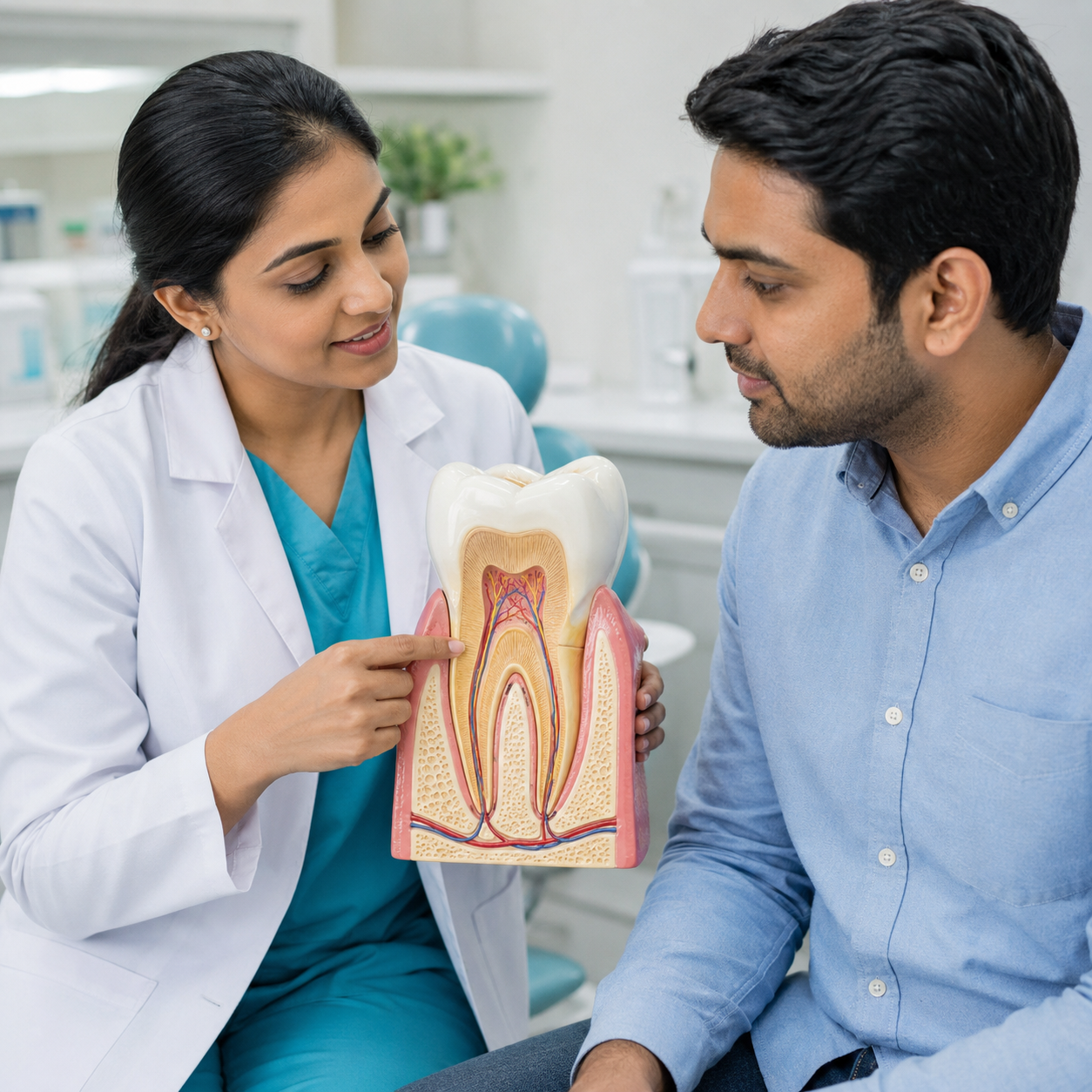
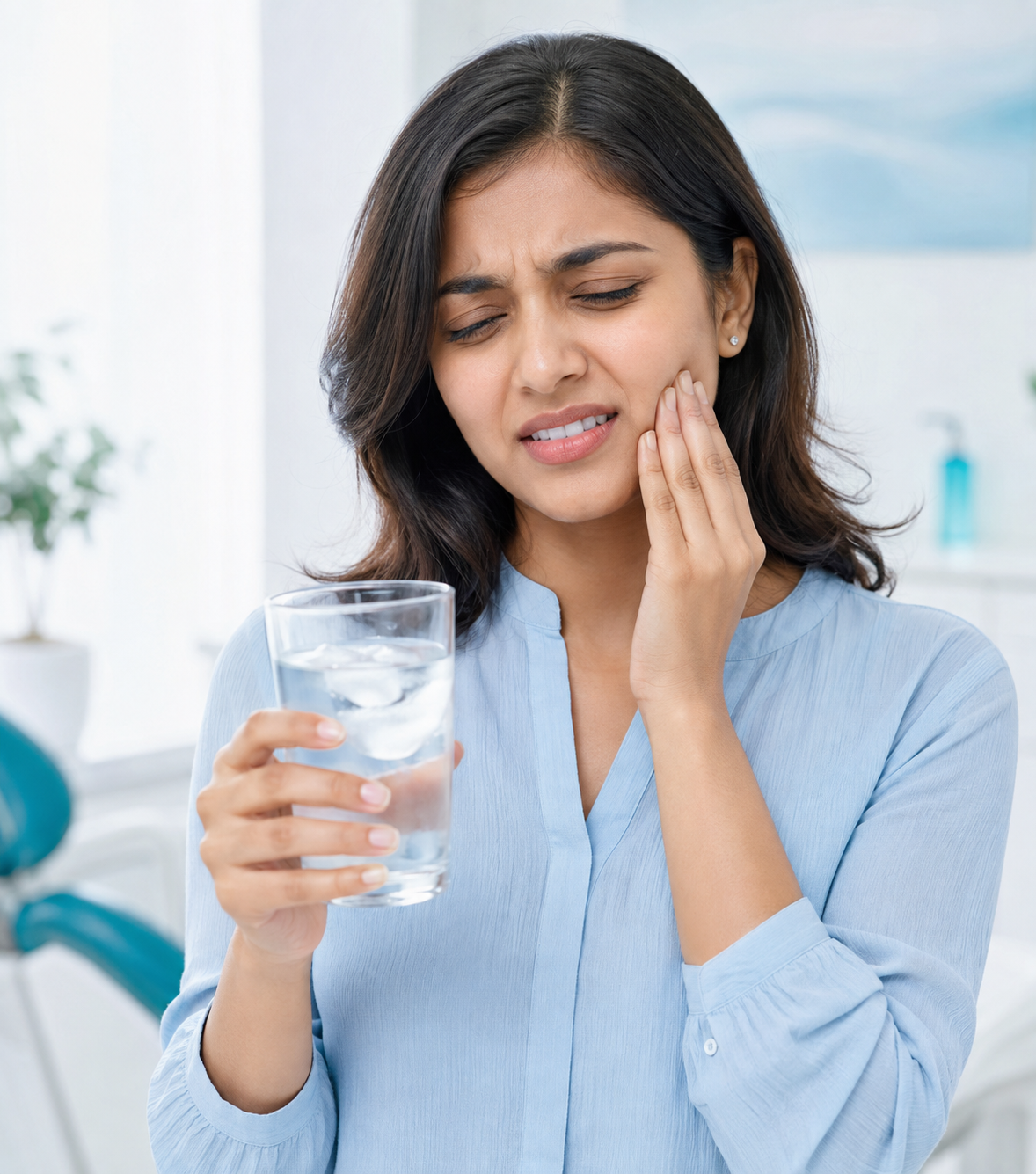

Enjoying a cold drink, hot tea or a sweet dessert should not cause discomfort. Tooth sensitivity can make everyday activities uncomfortable and may indicate worn, damaged or exposed tooth surfaces.
A sudden sensation in teeth can result from enamel erosion, gum recession, cavities or grinding. Understanding sensitive teeth causes you to choose appropriate treatment and protect your oral health.
What Is Dentin Hypersensitivity?
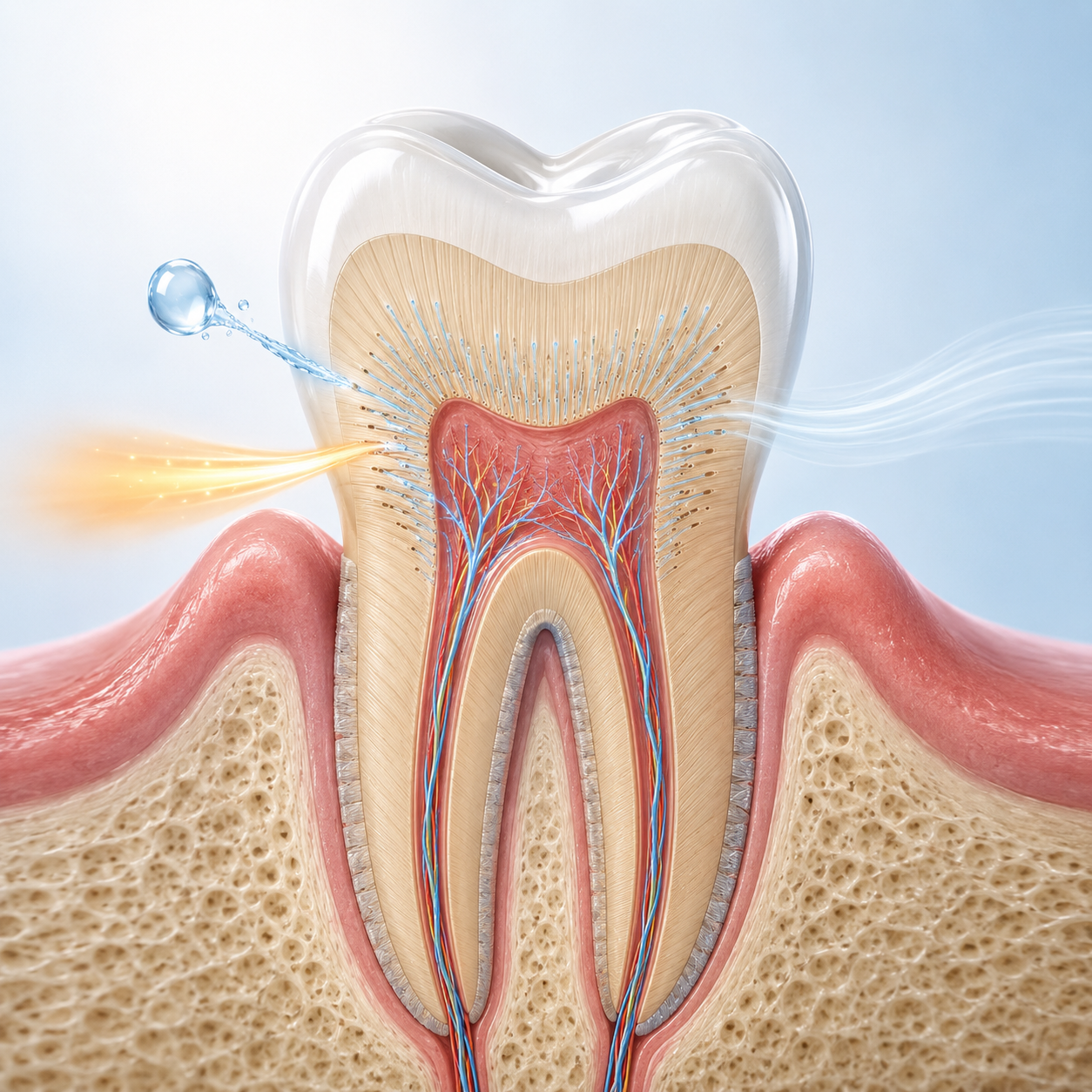
Dentin hypersensitivity occurs when the layer beneath the tooth’s enamel becomes exposed. Dentin contains microscopic channels that connect towards the inner part of the tooth, where nerves and blood vessels are located.
When enamel wears down or the gums recede, hot, cold, sweet or acidic substances can stimulate these channels and trigger a short, sharp response. However, similar symptoms can also occur with cavities, cracks or infections, so professional assessment is important.
What Does a Sensation in Teeth Feel Like?
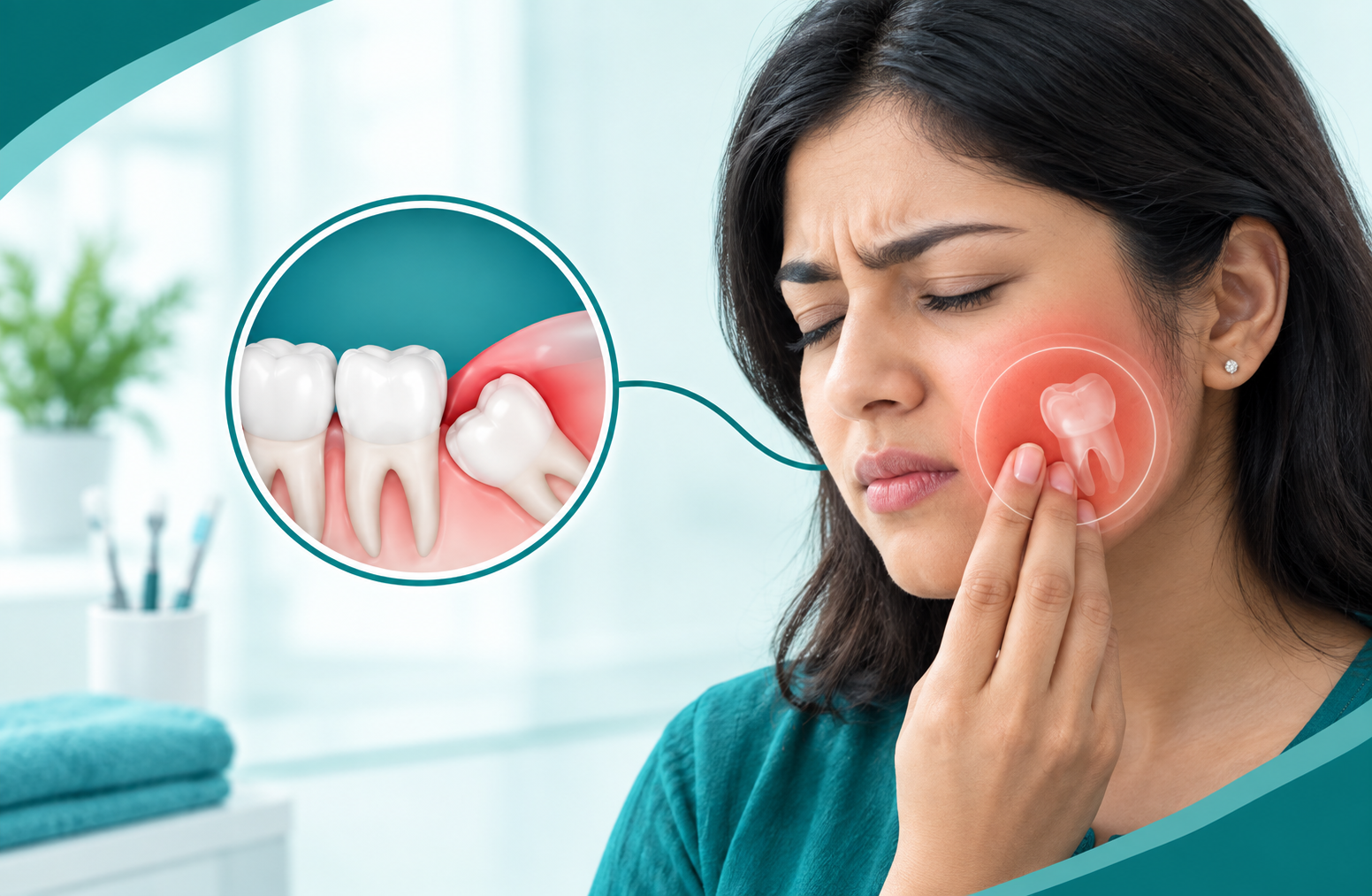
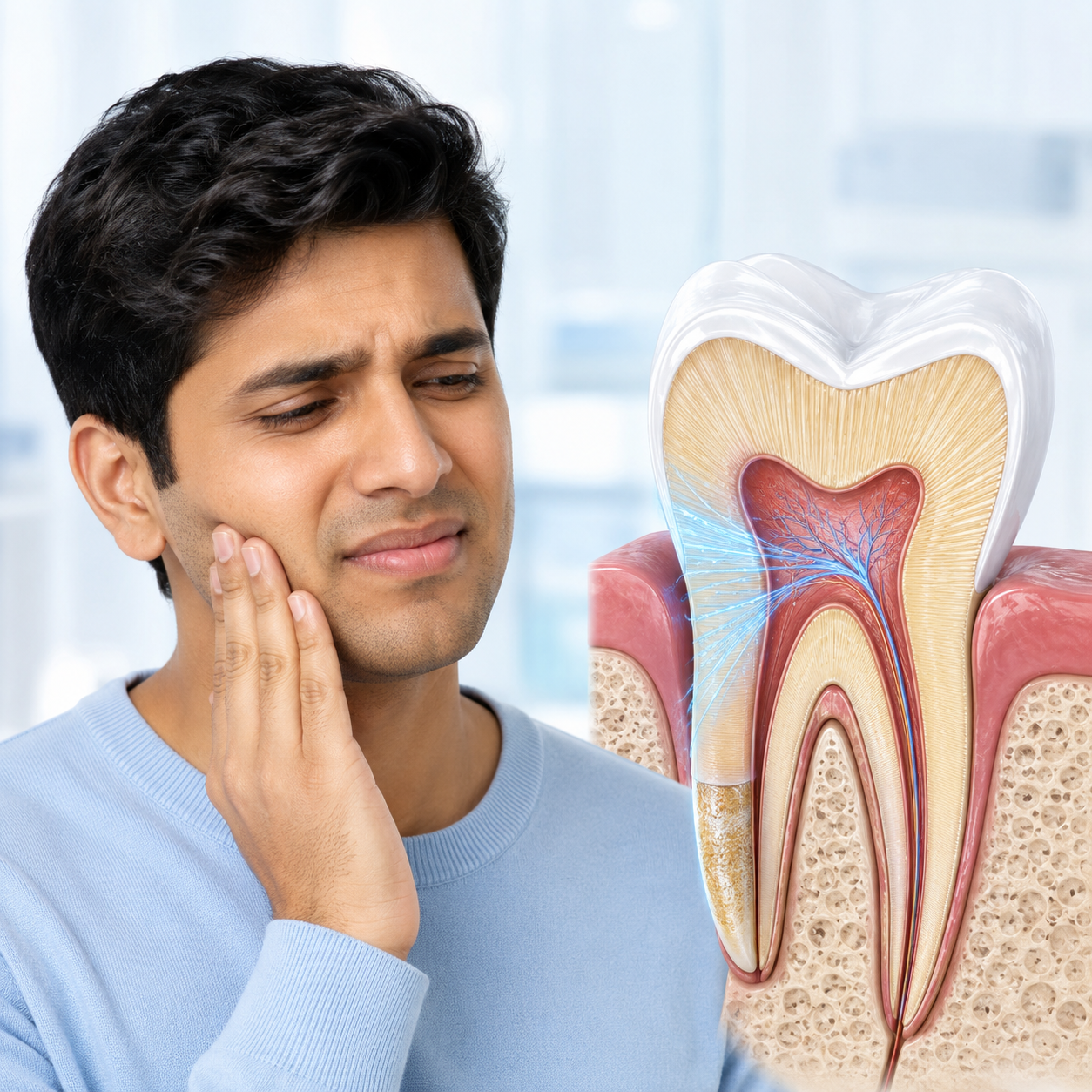
The discomfort often appears suddenly when a tooth encounters a specific trigger. It may affect one tooth or several teeth and usually settles after the trigger is removed.
- Sharp discomfort when drinking cold water
- Pain while consuming hot beverages
- Discomfort after eating sweet or acidic foods
- Sensitivity during brushing or flossing
- Pain when breathing in cold air
- Discomfort when biting or chewing
A recurring sensation in teeth should not be ignored, especially if it becomes stronger, lasts longer or affects one specific area.
Common Sensitive Teeth Causes
Enamel protects the tooth from temperature changes, bacteria and daily wear. Frequent acid exposure, abrasive oral-care products and long-term grinding can weaken this protective layer and expose the dentin beneath it.
When gums move away from the tooth, the root surface may become exposed. Because roots do not have the same protective enamel covering as the visible crown, they can react more strongly to temperature changes.
A cavity damages the tooth’s protective structure and can cause discomfort, particularly when eating sweet foods or drinking cold beverages. Untreated decay may progress and require more extensive treatment.
A crack, chipped surface or worn filling can expose vulnerable areas. Discomfort while biting, chewing or releasing pressure may indicate a structural problem that needs prompt evaluation.
How Dentists Identify the Underlying Problem
An examination helps identify sensitive teeth causes and distinguish dentin hypersensitivity from cavities, gum disease, cracks or infection.
Your dentist may assess:
- The location, duration and intensity of discomfort
- Foods, drinks or activities that trigger symptoms
- Brushing habits and oral-care products
- Signs of enamel wear or gum recession
- Existing fillings, crowns and other restorations
- Evidence of grinding or clenching
- Dental X-rays when clinically necessary
An accurate diagnosis determines whether preventive or restorative care is appropriate. Anyone searching for a sensitive teeth cure should first confirm the underlying cause with a dentist.
Is There a Sensitive Teeth Cure?
Many people search for a sensitive teeth cure, but the right approach depends on the underlying cause. Mild symptoms may improve with protective oral-care products, while cavities, cracks or gum problems usually require professional treatment.
Desensitizing Toothpaste
Specially formulated toothpaste can help reduce discomfort by blocking signals from the tooth surface or protecting exposed areas. It often requires repeated use before noticeable improvement occurs.
Professional Fluoride Treatments
A dentist may apply fluoride to strengthen vulnerable tooth surfaces and help manage dentin hypersensitivity. Treatment recommendations depend on the condition of the tooth and the patient’s overall oral health.
Bonding and Protective Coatings
Dental bonding or protective materials may cover exposed root surfaces and vulnerable areas. These treatments can reduce contact between the tooth and external triggers.
Fillings and Crowns
If a cavity, crack or damaged restoration is responsible, a filling or crown may restore the affected tooth. The appropriate option depends on the extent and location of the damage.
Gum Treatment
Professional cleaning and periodontal care can address gum disease. For significant recession, a dentist or gum specialist may recommend additional treatment, including a gum graft.
Custom Night Guards
Patients who grind or clench their teeth may benefit from a professionally fitted night guard. The appliance helps protect tooth surfaces from additional wear during sleep.
Root Canal Treatment When Needed
Severe or persistent pain may indicate that the inner tissue of a tooth is inflamed or infected. A dentist may recommend root canal treatment when clinically necessary, but this is not required for every case of sensitivity.
The most suitable sensitive teeth cure is therefore the treatment that addresses the actual cause rather than temporarily masking the discomfort.
Can Home Care Help Reduce Discomfort?
Daily habits can support professional treatment and protect vulnerable tooth surfaces. Helpful steps include:
- Brush twice daily with a soft-bristled toothbrush.
- Use fluoride toothpaste recommended by your dentist.
- Avoid applying excessive pressure while brushing.
- Reduce frequent acidic snacks and drinks.
- Limit abrasive whitening products.
- Clean between your teeth regularly.
- Attend routine dental examinations.
- Ask about a night guard if you grind your teeth.
Home care may reduce mild symptoms, but it cannot repair cavities, cracked teeth or advanced gum disease without appropriate dental treatment.
When Should You Visit a Dentist?
A sensation in teeth that continues after a trigger is removed, affects one specific tooth or interferes with eating deserves professional attention.
Arrange a dental appointment if you experience:
- Persistent or worsening pain
- Discomfort while biting or chewing
- Visible cracks, cavities or damaged fillings
- Swollen or bleeding gums
- Pain that continues after hot or cold exposure
- A bad taste in the mouth or signs of infection
- Swelling around the cheek or jaw
- Fever associated with dental pain
Seek urgent medical care if swelling affects the eye or neck, or if you have difficulty breathing, swallowing or speaking.
How to Prevent Future Dental Discomfort
Prevention focuses on protecting enamel, maintaining healthy gums and addressing problems before they become more serious.
Use Gentle Brushing Techniques
Choose a soft-bristled toothbrush and avoid scrubbing aggressively. Gentle brushing helps clean the teeth without placing unnecessary pressure on enamel or gum tissue.
Protect Your Enamel
Limit repeated exposure to acidic drinks and avoid excessively abrasive products. Ask your dentist whether fluoride or a desensitizing toothpaste is suitable for your needs.
Maintain Healthy Gums
Brush consistently, clean between your teeth and attend professional checkups. Early treatment of gum inflammation can help reduce the risk of further recession.
Address Grinding Early
Speak with your dentist if you notice jaw discomfort, flattened tooth surfaces or morning headaches. A custom protective appliance may be recommended after evaluation.
Why Choose Dantam Dental Clinics?
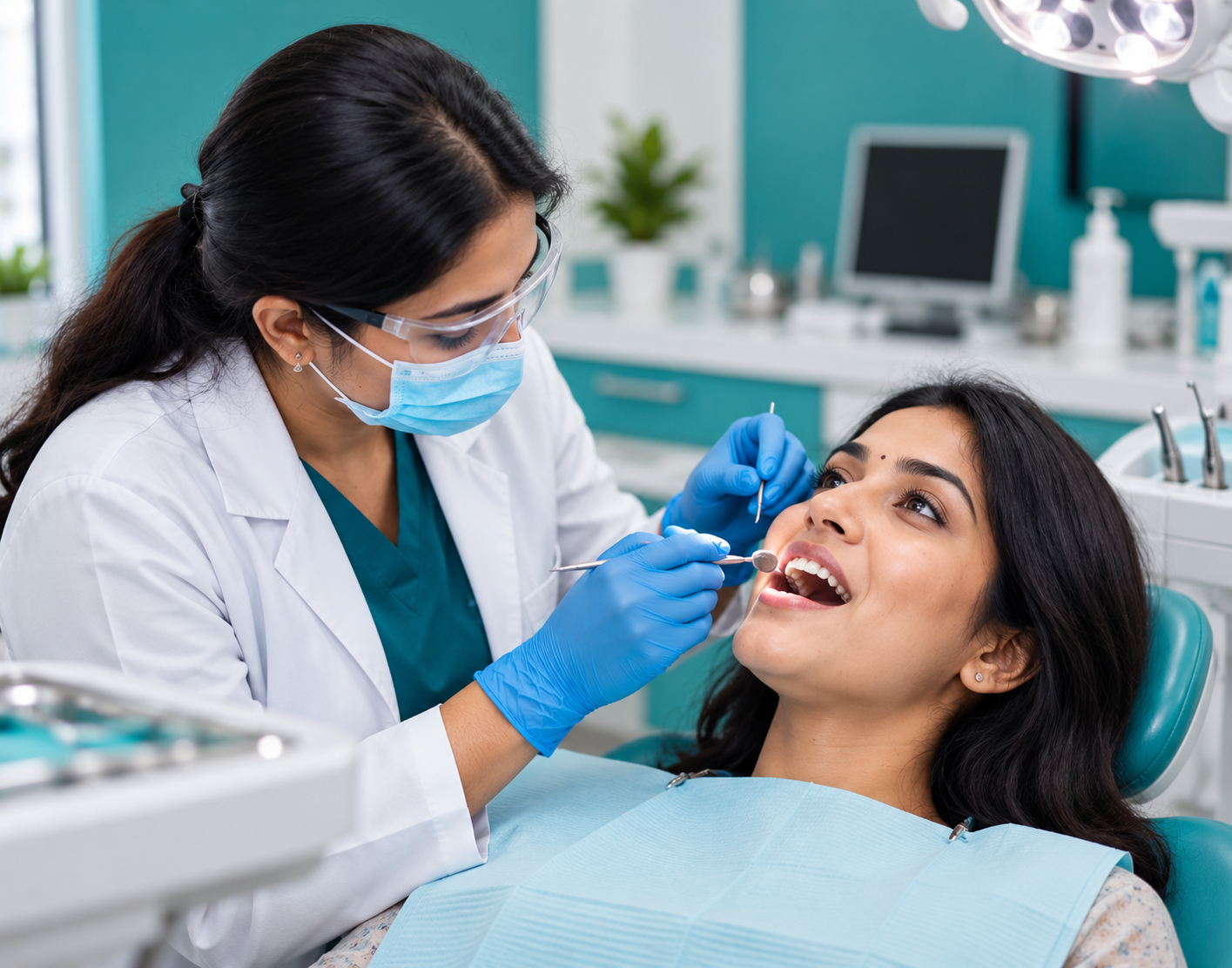
Dantam Dental Clinics identifies the source of discomfort and recommends suitable treatment. Our team combines modern diagnostics, preventive care and personalized treatment planning to support healthy, comfortable smiles.
Patients benefit from:
- Detailed dental examinations
- Personalized treatment recommendations
- Preventive and restorative care
- Professional support for gum and enamel concerns
- Guidance for managing grinding-related damage
- Gentle, patient-focused treatment
- Clear advice for long-term oral health
If tooth sensitivity is affecting your daily comfort, schedule a consultation with Dantam Dental Clinics and take the first step towards healthier, more comfortable teeth.
Frequently Asked Questions
What are the most common sensitive teeth causes?
Common causes include enamel wear, gum recession, cavities, cracked teeth, aggressive brushing, grinding and repeated exposure to acidic foods or drinks.