
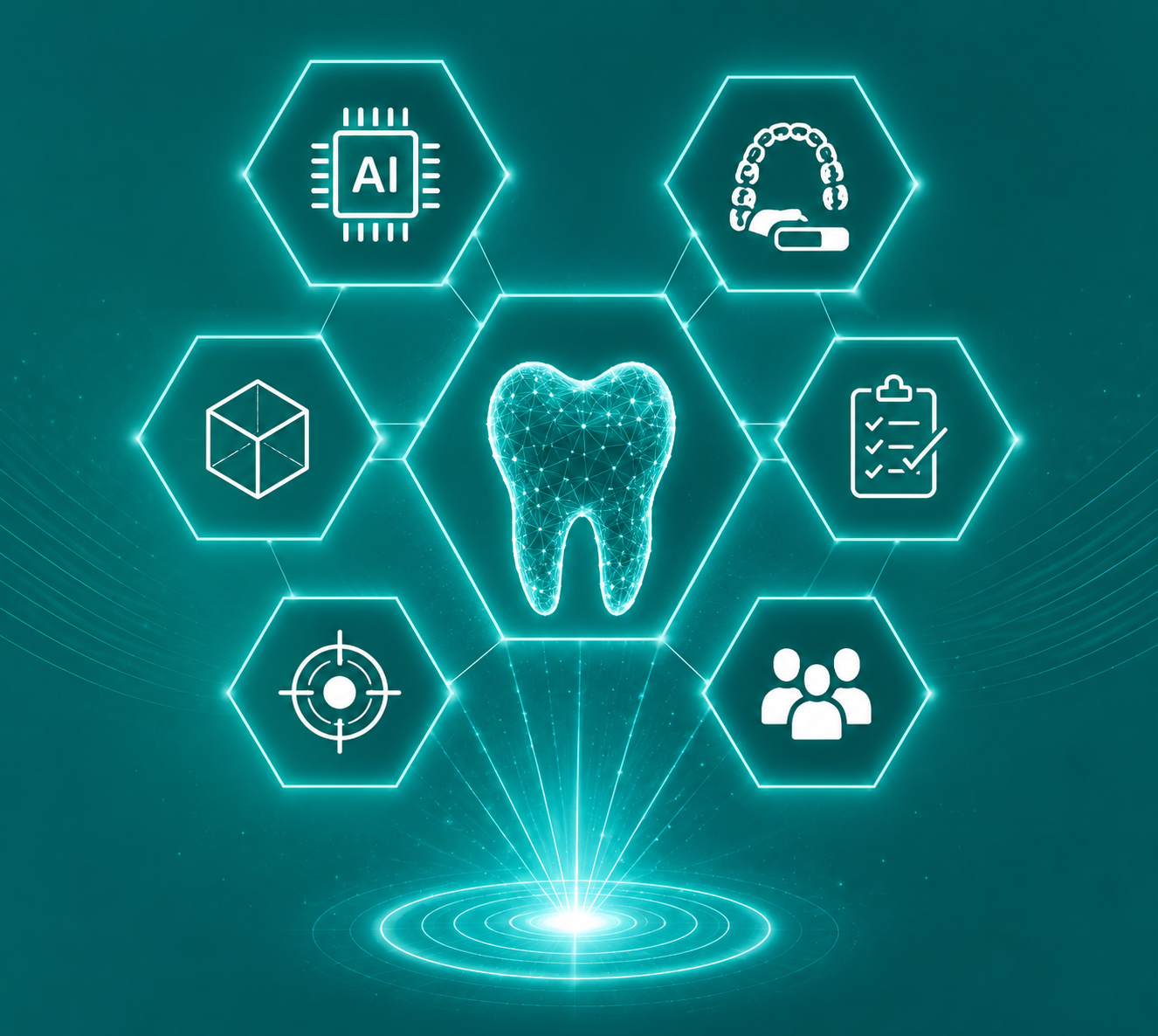

Digital dentistry is changing how dental professionals diagnose, plan, and deliver treatment. Digital Dentistry in Hyderabad uses advanced digital tools to improve accuracy, efficiency, communication, and patient comfort. Instead of depending only on traditional methods, modern dental clinics can use digital scanning, computer-aided design, 3D imaging, and digitally guided treatment planning to create a more connected and precise dental care experience.
From digital scans and computer-aided design to digitally guided implant planning, these technologies can streamline different stages of treatment while helping dentists make informed clinical decisions. Patients can also benefit from clearer treatment explanations, improved visualization, and a more comfortable experience. Understanding how digital dentistry works can help patients make informed decisions about their dental care and explore the advantages of modern dental technology. With these advancements, patients can experience a modern approach to dental care that focuses on precision, convenience, and personalized treatment planning.
Understanding Modern Dental Technology
The term refers to the use of digital technologies across different stages of dental care. These technologies can support diagnosis, treatment planning, restoration design, orthodontic treatment, implant planning, and patient communication. A digitally equipped clinic may combine digital imaging, scanning systems, CAD/CAM technology, and electronic records to create a streamlined treatment process.
One of the most useful tools in this workflow is a dental scanner. It captures detailed information about the teeth and surrounding oral structures and converts it into a digital model. This can reduce the dependence on traditional impression materials while giving dental professionals a convenient way to review the patient’s teeth from different angles.
Benefits of a Digital Dental Workflow
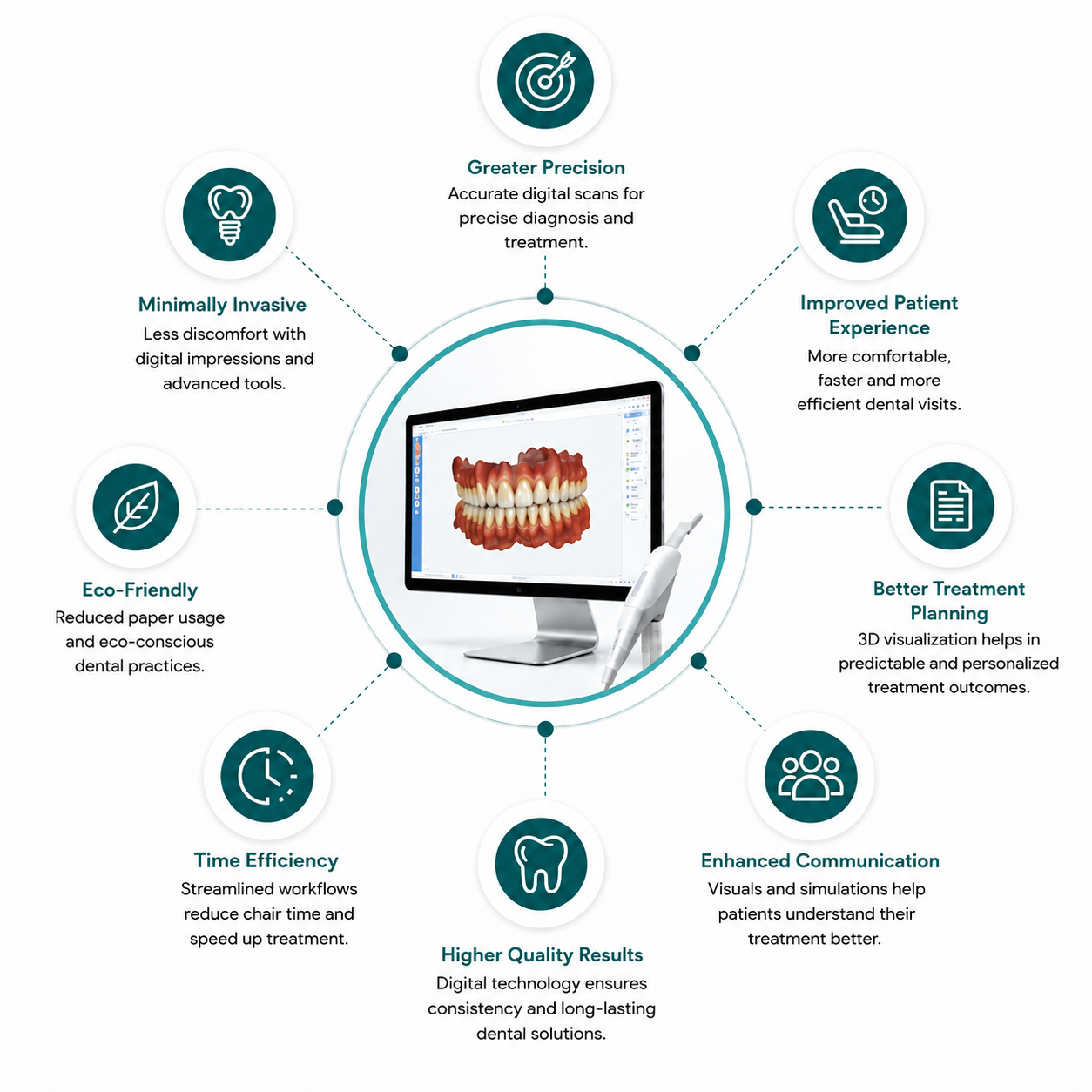
One major advantage of digital workflows is improved precision. Digital information can be captured, stored, reviewed, and transferred without relying entirely on physical models. This can help dental teams coordinate procedures and reduce unnecessary steps during treatment planning.
Patient comfort is another important benefit. Traditional impressions can feel uncomfortable for some patients because trays and impression materials must be placed inside the mouth. With digital dental impressions, the dentist can capture the required information using a scanning device. The process may feel easier for patients who have difficulty tolerating conventional impression trays.
Digital workflows can also save time. Digital files can be shared electronically with dental laboratories when needed, reducing the need to transport physical impressions. Dentists can review digital models quickly, communicate changes efficiently, and coordinate treatment more conveniently.
The Role of Intraoral Scanning
A dental scanner can capture the shape and surface details of teeth and oral tissues. The device creates a digital representation that can be viewed on a computer screen. A dental intraoral scanner can provide detailed digital information for treatment planning. This information can support procedures such as crowns, bridges, veneers, orthodontic planning, aligners, and restorative treatments.
A dental intraoral scanner can also improve communication between dentists, specialists, and laboratories. Instead of sending physical impressions, a clinic can transfer digital files through appropriate secure systems. This can make collaboration more efficient while keeping treatment information organized.
Digital scans may also help patients understand their oral condition. When a dentist displays a digital model on a screen, patients can often see areas that require attention and discuss possible treatment options more clearly.
Digital Planning for Dental Implants
Implant treatment can benefit from computer-based planning and digital records. Digital dental implants planning is only one part of a broader workflow. Digital dental implants workflows may combine three-dimensional imaging, digital scans, and planning software to help dentists evaluate implant position before treatment. This approach can support assessment of bone structure, tooth position, and the relationship between the planned restoration and surrounding anatomy.
Digital planning does not replace clinical judgment. Instead, it provides additional information that can help a dental professional develop a treatment strategy based on the patient’s individual needs. A complete examination and appropriate diagnostic records remain essential before an implant procedure is recommended.
Improving the Patient Experience
Modern technology can make dental appointments easier to understand. Patients can view their digital scans and discuss areas that may need attention with their dentist. Seeing the condition of the teeth on a screen may make it easier to understand why a particular procedure has been suggested.
The use of digital dental impressions can also make certain appointments more convenient. Since the information is captured electronically, the clinic can retain a digital record for future reference. This can be useful when monitoring changes over time or when several stages of treatment need to be coordinated.
Another benefit is easier communication. Digital records can help dentists explain treatment plans using visual information rather than relying only on verbal descriptions. This can encourage patients to ask questions and participate more actively in decisions about their care.
Digital Technology in Restorative and Cosmetic Dentistry
Captures detailed images of teeth and oral structures for accurate treatment planning.
Helps dentists plan crowns, bridges, veneers, and other restorative treatments digitally.
Supports the design of restorations with appropriate shape, size, and fit for the patient.
Allows patients to visualize proposed cosmetic treatments and discuss their preferences with the dentist.
Digital files can be shared with dental laboratories to streamline restoration design and manufacturing.
Digital information helps dentists create treatment plans based on each patient’s dental needs and goals.
Provides useful digital information for organized treatment planning and informed clinical decisions.
Helps plan tooth shape, proportions, and appearance to support a balanced and natural-looking smile.
Supports detailed digital designs for crowns, bridges, veneers, and other dental restorations.
Connects scanning, planning, designing, and manufacturing to create a more coordinated treatment workflow.
Why Choose Dantam Dental Clinics?
Choosing a dental clinic that combines modern technology with experienced clinical care can make the treatment process more organized and convenient. At Dantam Dental Clinic, Digital Dentistry in Hyderabad tools can support different stages of dental care, including diagnosis, treatment planning, scanning, restorative procedures, and patient communication.
A dental scanner can help create detailed digital records that may support accurate treatment planning. Digital workflows can also make it easier for dental professionals to review information, explain treatment options, and coordinate care when multiple procedures are involved.
The technology itself is only one part of quality dental care. At Dantam Dental Clinic, digital solutions can work alongside professional evaluation and personalized treatment planning. This combination can help patients understand their treatment options and receive care based on their individual dental needs.
Frequently Asked Questions
What does modern dental technology mean?
It means using digital technologies and computer-based workflows to support diagnosis, planning, treatment, and dental records. It can include digital scanning, imaging, CAD/CAM systems, and computer-guided treatment planning.